跳至主要内容

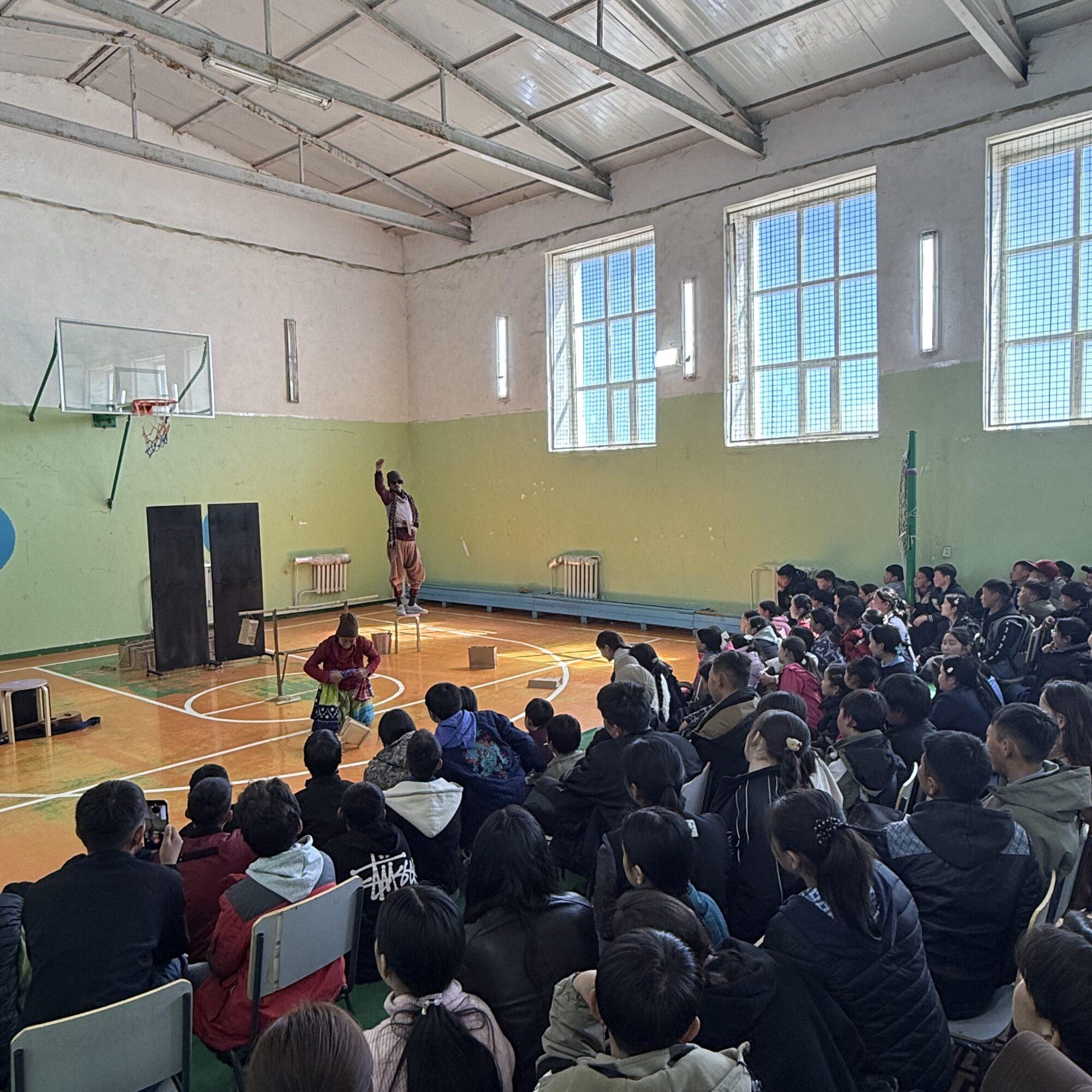
During their touring performance at Wanderlust Mongolia, Ricky and Tita from Kahanane Project, Indonesia, recorded their experiences through a series of “Little Notes,” capturing their thought,reflections and wanderings throughout the festival. We’d like to share one of them with everyone, and you can also read the full notes through the link below.

Landscape & Atmosphere — A Space Too Vast

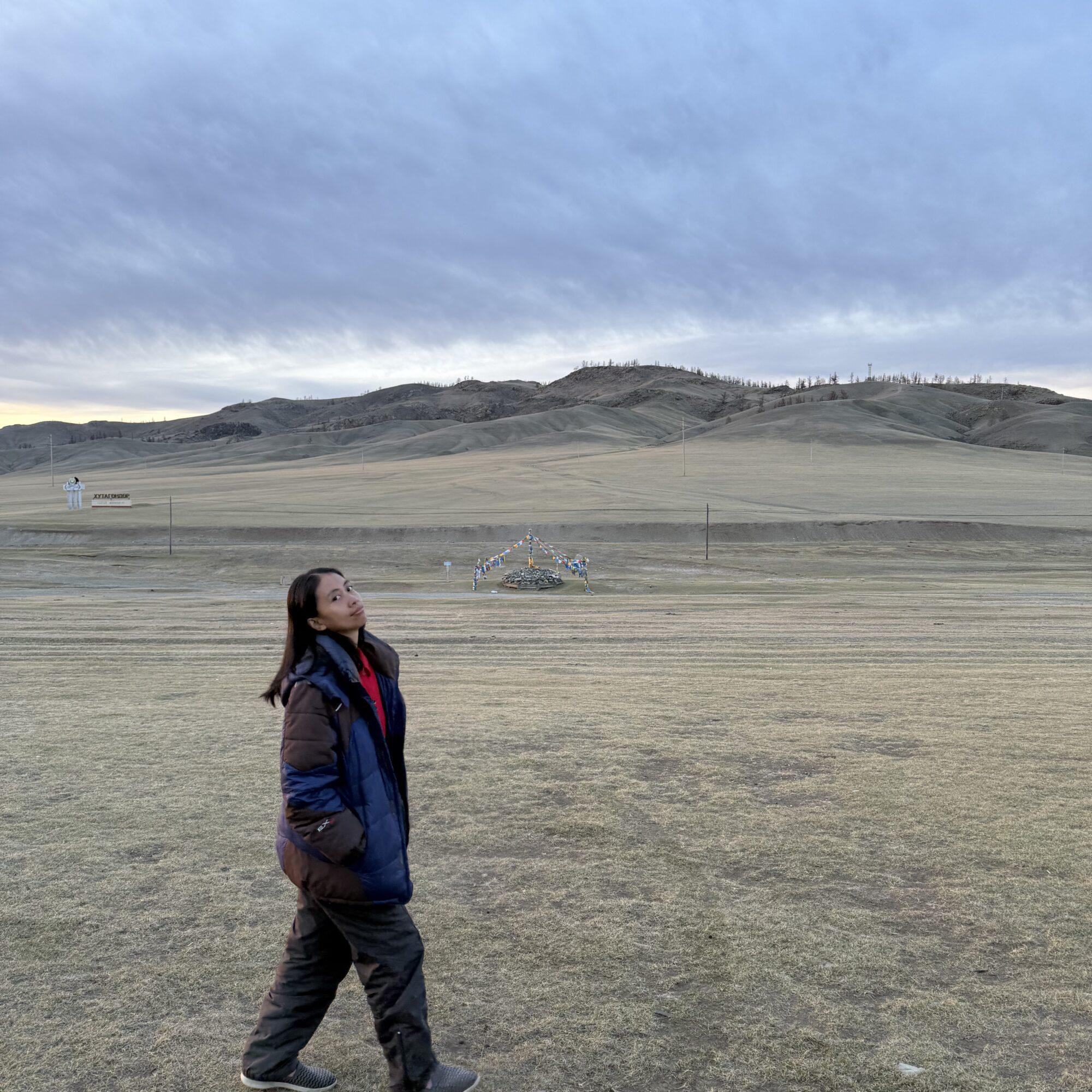
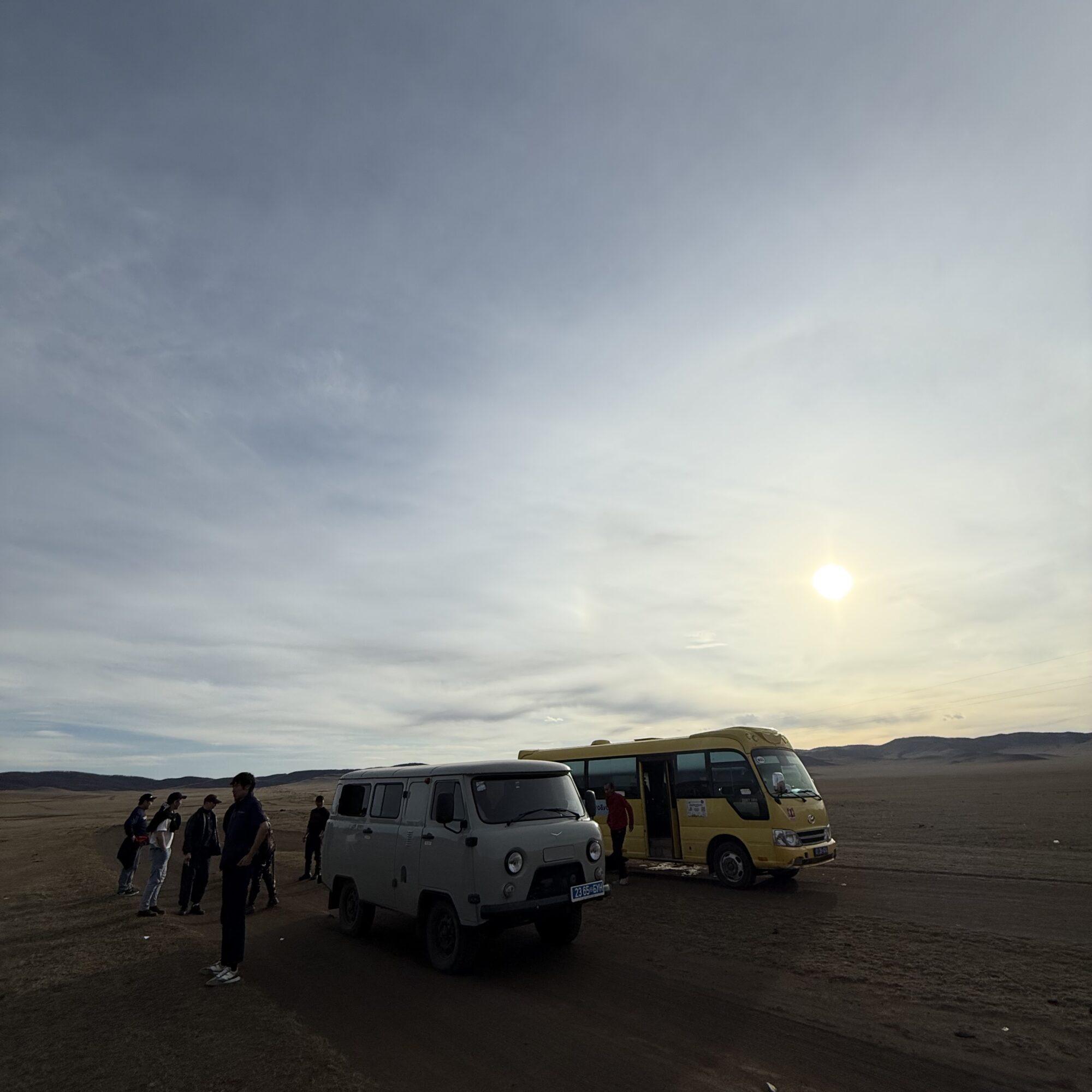
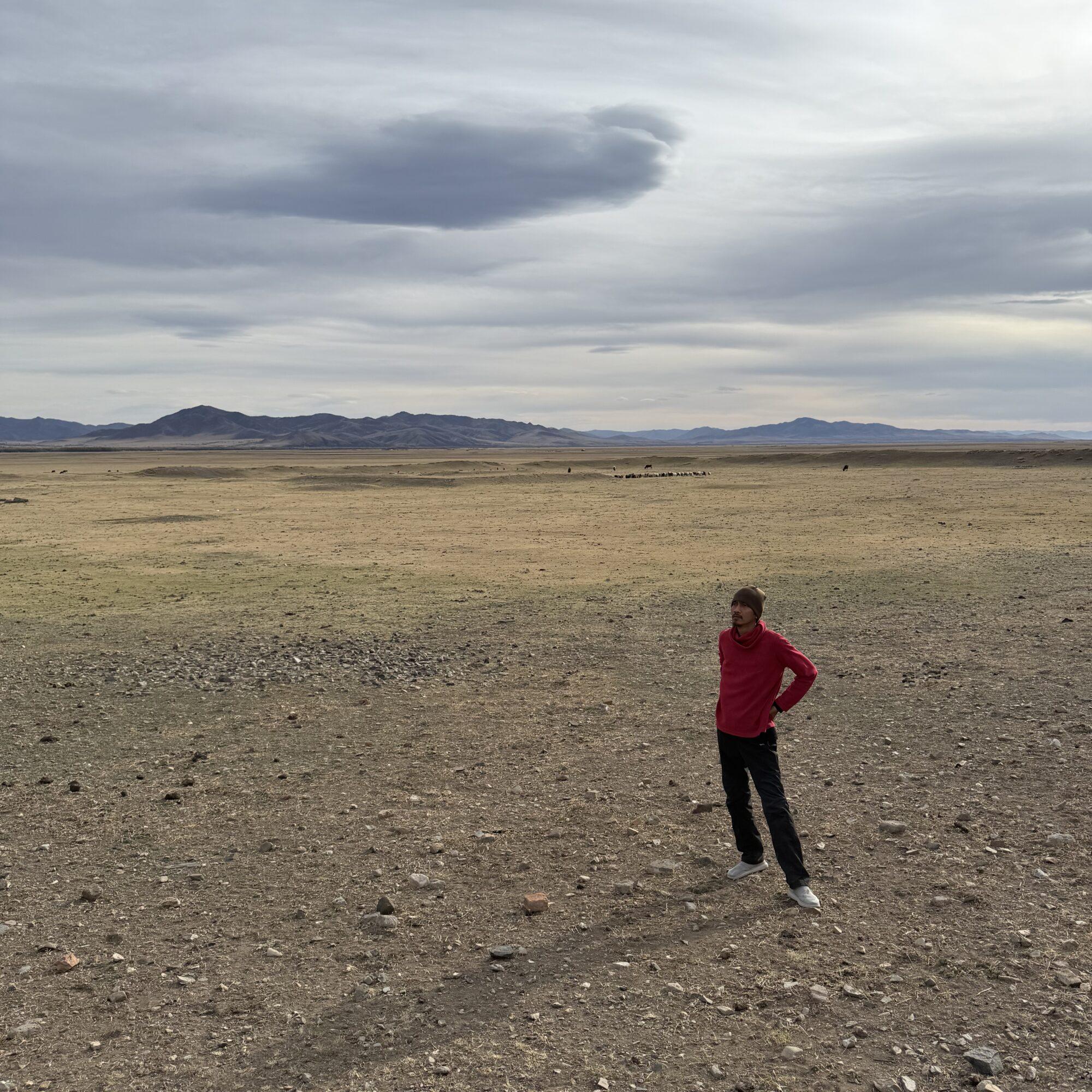
The Mongolian steppe has a scale that is difficult to describe. It is not only vast, but vast in a way that feels multiplied.

As far as the eye can see, there is no clear boundary. The horizon seems pulled far back, as if creating more space than actually exists.

The sky feels very close, and at the same time, very far. Close, because nothing obstructs the view. Distant, because it can never be reached.

The soil is brown, the grass sparse—not dense, not fully green. Everything seems to exist within a restrained palette, and precisely because of that, every small change becomes noticeable.

We saw many animals—goats, sheep, cows, horses, camels, yaks—spread across the vastness, often with no visible herder.

Sometimes there were gers, traditional Mongolian homes, standing alone, far from others. Like small points on an immense canvas.

The wind was almost always present. Not always strong, but enough to keep the air in motion.

And at certain moments, everything felt deeply quiet. Not because there was no sound, but because the space was too vast to hold it.

In a place like this, humans feel small—very small.

And yet, strangely, at the same time, one becomes intensely aware of their own presence.

Every step feels distinct. Every movement visible. As if, within such an immense space, even the smallest presence still carries meaning.

We found ourselves imagining: what if the entire steppe became a stage?

Without boundaries. Without walls. Without lights.

Only body, space, and time.

We once stopped by the edge of a river and walked along its bank.

There, several springs emerged—small, clear sources feeding the flow. Each of them, we were told, was believed to carry its own benefit for the body, its own quiet form of healing.

At another time, we visited a lake that was almost entirely frozen.

Its surface held a thin, pale stillness, while around it, horses wandered freely in great numbers. Nearby stood a few buildings—what seemed to be summer houses—empty for now, waiting for a different season to return.

And in the middle of the steppe—wide, open, and nearly without markers—we came across something that remained.

A wall.

Not whole. Not completely ruined either. Standing alone, as if it had forgotten it was once part of something larger.

A history teacher who accompanied us, together with the mayor of the third soum, told us that long ago, there had been a small town here.

There had been a temple.
An artificial lake.
A life.

Now, this was what remained.

The wall was made from layers of compacted mud and gravel. Still clearly visible. As if time had not tried to hide itself.

Each layer might have been a day of work, a season, a single intention to build something that would last.

Then time moved on.
The wind arrived.
People left.

And what remained was only this fragment— still standing, without much explanation.

We stood there for quite a while. As if reading something that no longer had a language.

Perhaps all places are like this. Once full, then slowly becoming memory.

And perhaps what we are doing now—this journey, these encounters, these performances—are also being formed layer by layer, toward a shape that, one day, we too will leave behind.

Ricky & Tita, Kahanane Project, Indonesia. 

Link to all “Little Notes from Wanderlust Mongolia”

您现在可以通过页面右上角的按钮,以阿拉伯语、中文、英语、法语、日语、韩语、俄语或西班牙语浏览本网站。


请注意,这些是未经人工核对的AI翻译。

X