メインコンテンツへ移動

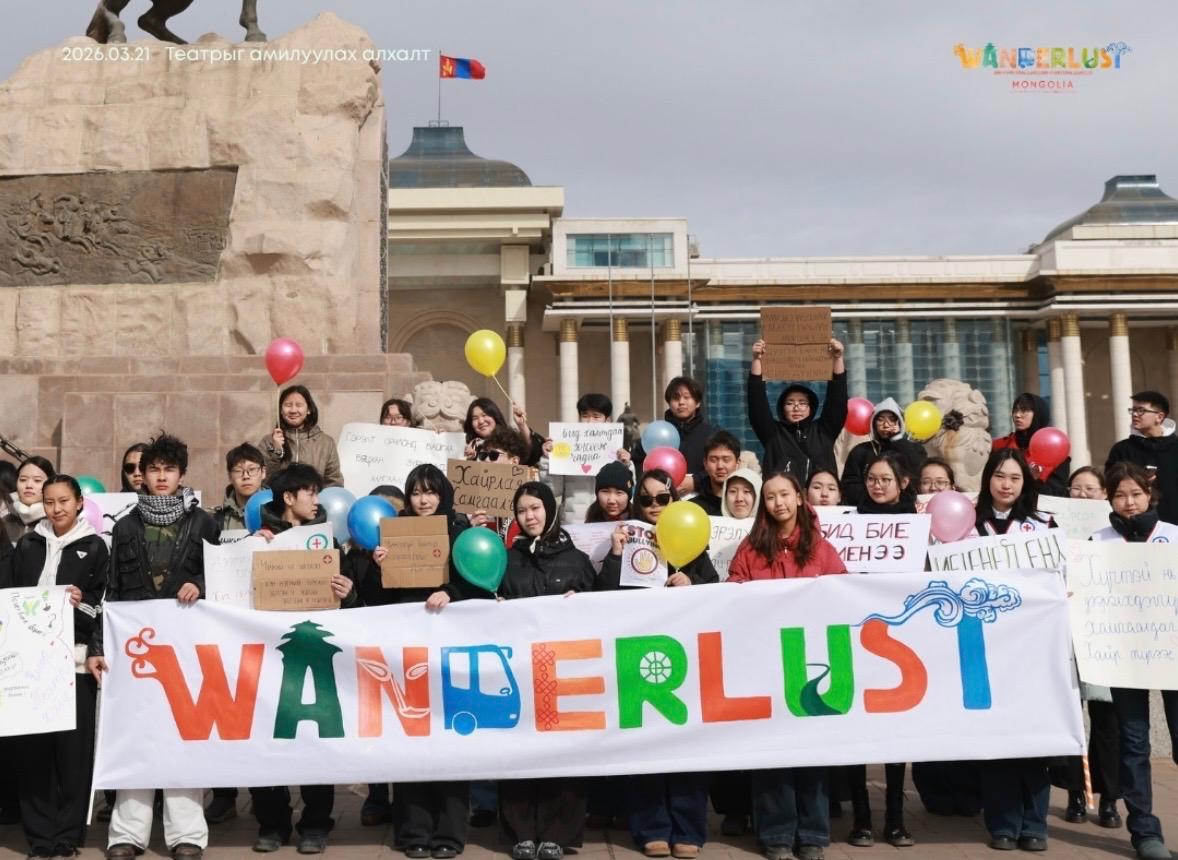
The first chapter of Wanderlust, one of ASSITEJ International’s regional cooperation projects, has come to a powerful and inspiring close in Mongolia.

Through reflections shared by Sue Giles, who joined the project on the ground, we glimpse not only the extraordinary landscapes of Mongolia, but the equally extraordinary commitment of artists, organisers, teachers, communities, and children who made this first stage possible.

The journey began on the road from Ulaanbaatar to Erdenet, through mist-covered hills, open grasslands, scattered herds, winding rivers, yurts by the roadside, and vast skies that seemed to stretch endlessly. Travelling together were 92 people on the buses, part of a total of 141 participants involved in bringing this festival to life.

What awaited in Erdenet was a warm and joyful welcome from the Orkhon province team, who paired each visiting artistic team with local guides and drivers, creating immediate connections and a sense of shared purpose. Over the following days, 14 performances by Mongolian and international companies unfolded in kindergartens and schools across the region, bringing live performance to children who, in many cases, had never experienced theatre before.

Led by Bamboo Theatre and its artistic director Uyanga, Wanderlust in Mongolia also became a space for reimagining theatrical models. While message-based theatre remains deeply valued by local audiences, there is a growing movement toward smaller-scale productions, intimate performances, and new artistic languages that can travel more easily and reach children across the country.

The festival brought together artists from Mongolia, Indonesia, France, Italy, Nepal, Romania, and Switzerland, while the Next Generation programme connected emerging artists from across Asia-Pacific, Europe, and North America. Following Erdenet, the project continued across the soums of Bulgan province, where the Next Generation participants created new work especially for Mongolian children.

Along the way, moments of artistic exchange emerged in unexpected conversations—with teachers discovering contemporary dance for the first time, with children curiously observing visiting artists from abroad, and with communities engaging deeply with forms of theatre they had never encountered before: physical theatre, clowning, dance, minimal staging, and highly participatory performance.

In a world where screens are increasingly present in children’s daily lives, the importance of live performance felt more urgent than ever. Across schools, theatres, and community spaces, Wanderlust reaffirmed the unique power of shared artistic experiences.

This is only the beginning.

The Wanderlust project now continues to Kalimantan, Indonesia, and onwards to three cities in Nepal, where each chapter will respond to its own cultural context while carrying the same shared vision: expanding access to theatre and performance for children, building artistic exchange across borders, and strengthening friendship between National Centres.

What ASSITEJ Mongolia has created is both unique and significant—a model of collaboration, passion, and commitment that has already given a powerful boost to children’s access to theatre in Mongolia, and which will continue to inspire the journey ahead.

ページ右上のボタンから、アラビア語、中国語、英語、フランス語、日本語、韓国語、ロシア語、またはスペイン語で当ウェブサイトをご覧いただけます


これらはAIによる翻訳であり、手作業による確認は行われていない点にご注意ください。

X