Por Alicja Morawska-Rubczak
(Fundación Art Fraction, SPARSE Plus)
Este texto surge del deseo de reflexionar sobre cómo una cooperación internacional bien orientada puede fortalecer los ecosistemas culturales locales, aumentar su visibilidad y generar un valor duradero para comunidades que a menudo quedan en el olvido.
En la Fundación Art Fraction, una pequeña fundación con sede en Poznań, llevamos mucho tiempo convencidos de que el tamaño no es una limitación. De hecho, lo más pequeño suele ser lo más importante. En el centro de nuestra labor se encuentran los públicos más jóvenes: bebés, niños pequeños y los adultos que los acompañan. Estamos comprometidos con la promoción, la creación y el apoyo al arte dirigido a los niños muy pequeños, porque creemos que el acceso sin restricciones a la cultura es un derecho fundamental de todos los niños.
Esta idea coincide con la visión de la Organización Mundial de la Salud, según la cual los espacios seguros para la creatividad y el juego son esenciales para el desarrollo saludable de los niños y para fortalecer los vínculos entre estos y sus cuidadores. En un mundo cada vez más dominado por las pantallas y la sobreestimulación, estos encuentros cobran aún más importancia. Tal y como se destaca en The Guardian : «Una de las mayores tragedias invisibles»: ¿es inevitable la pérdida de la imaginación infantil?, la erosión de la imaginación puede ser una de las pérdidas más graves y menos visibles a las que se enfrentan los niños pequeños hoy en día. El teatro y las experiencias artísticas en directo ofrecen un antídoto: fomentan la curiosidad, la empatía, la concentración y la capacidad de asombro.
Redes que generan un cambio real
Uno de los momentos más decisivos en nuestro desarrollo fue nuestra incorporación a la Small Size Network, una comunidad internacional dedicada al diálogo artístico con niños desde el nacimiento hasta los seis años. Uno de redes profesionales deASSITEJ , conecta a artistas, investigadores y profesionales de la cultura de todo el mundo.
A través de esta comunidad, Paweł Gałkowski, director de la Fundación Art Fraction, pasó a formar parte del equipo de investigadores del proyecto «Los niños como agentes en la práctica teatral en la primera infancia», una de las líneas de investigación de la iniciativa «Building Collective Resilience» (Construir la resiliencia colectiva) ASSITEJ . Esta participación internacional ha enriquecido directamente nuestro trabajo local, ayudándonos a desarrollar nuevas herramientas, ampliar nuestras competencias y atender mejor a las familias y comunidades de toda Polonia.
El trabajo en red, cuando se basa en la confianza y en valores compartidos, no es un concepto abstracto. Es un mecanismo práctico y eficaz para el apoyo mutuo. Permite que las ideas circulen, que las relaciones se profundicen y que las iniciativas locales crezcan más allá de lo que sería posible de otro modo.
De las ciudades a los pueblos
Nuestro trabajo con familias en las grandes ciudades nos llevó, de forma natural, a preguntarnos cómo el arte podría llegar a los niños que viven en pueblos más pequeños y en zonas rurales. Esta pregunta dio lugar a nuestro primer festival itinerante dirigido al público más joven. Durante más de diez años, hemos abandonado deliberadamente las principales rutas culturales para acercarnos a los niños y las familias de pueblos y pequeñas localidades de toda Polonia.
Uno de esos lugares es Zbąszyń, donde nuestra larga colaboración con la Biblioteca Pública de Zbąszyń se ha convertido en un ejemplo de cómo las relaciones pueden transformar la vida cultural local.
Magdalena Rożek recuerda que, cuando conoció a nuestro equipo en 2015, ninguno de nosotros sabía lo importante que llegaría a ser esta colaboración. Juntos, desarrollamos una programación dirigida a niños de 0 a 3 años y a sus familias, con la que conseguimos atraer a nuevos públicos y ayudar a los padres a reconocer el valor de unas experiencias teatrales cuidadosamente preparadas. Con el tiempo, este evento anual se convirtió en uno de los momentos más esperados del calendario de la biblioteca.
Lo que comenzó como una modesta colaboración se convirtió en una asociación duradera y en una fuente de inspiración para otros. Magdalena es ahora una de las líderes locales de las que esperamos que sirva de mentora a sus compañeros en las comunidades rurales de toda Polonia.
SPARSE Plus: El trabajo en red en la práctica
El proyecto SPARSE Plus ha dotado a esta labor de una dimensión internacional. A través de SPARSE Plus, estamos estableciendo vínculos con organizadores culturales y líderes comunitarios de pequeñas localidades y zonas rurales de toda Europa. Estos intercambios nos permiten compartir experiencias, poner a prueba nuevos enfoques y fortalecer los ecosistemas culturales locales.
El valor de este proceso quedó especialmente patente durante la primera reunión de la red europea en el marco del programa LOKAL – Programa para la Cultura y la Participación, celebrada en Świdnica. Como parte del programa, Alicja Morawska-Rubczak dirigió un taller titulado «Cultura en movimiento. Cómo las redes y las iniciativas locales fortalecen la vida cultural más allá de las grandes ciudades».
La sesión reunió a profesionales de la cultura, organizadores y líderes comunitarios de toda Europa para reflexionar sobre cómo se puede desarrollar una vida cultural dinámica en lugares a los que las grandes instituciones rara vez llegan. A partir de las experiencias del proyecto SPARSE Plus y otras colaboraciones internacionales, el taller exploró cómo las redes pueden apoyar las iniciativas culturales en zonas rurales y periféricas, reforzar la capacidad de acción de los públicos y las comunidades locales, y fomentar formatos artísticos con capacidad de desplazamiento a nivel local. Al mismo tiempo, brindó una importante oportunidad para dar a conocer los logros de SPARSE Plus y establecer nuevas relaciones con profesionales que trabajan en pequeñas ciudades y pueblos de toda Europa.
Esta es la fuerza discreta pero profunda del trabajo en red: crea espacios donde las personas se reúnen, intercambian experiencias y descubren que forman parte de una comunidad de práctica más amplia. Las ideas se convierten en colaboraciones, las colaboraciones se transforman en alianzas a largo plazo y esas alianzas se convierten en la base de un cambio cultural significativo y duradero.
Relaciones que abren nuevas puertas
Quizá la mejor forma de ilustrar la importancia de las redes de contactos sea explicar cómo nos unimos a la propia SPARSE Plus. Los miembros de la Small Size Network recomendaron la Art Fraction Foundation a Ralph Lister de Take Art, quien más tarde se convirtió en nuestro mentor en el proyecto.
Esta cadena de confianza —en la que una relación da lugar a otra— demuestra que, a menudo, es imposible predecir los resultados más valiosos que se obtienen al establecer contactos. Las recomendaciones se basan en la credibilidad. Las colaboraciones surgen de experiencias compartidas. Las nuevas oportunidades nacen de una conexión humana genuina.
Próximamente: BLOOOM en Polonia
El impacto de estas colaboraciones se hará patente en junio y julio de 2026, cuando el aclamado espectáculo BLOOOM regrese a Polonia.
Creada por Teatro4Garoupas e interpretada por Eugênia Labuhn, BLOOOM es una obra poética y profundamente cautivadora dirigida a los más pequeños y a sus cuidadores. Aunque está pensada para un público infantil, su mensaje cala igualmente en los adultos, ya que ofrece múltiples niveles de interpretación y conexión emocional.
Entre el 14 de junio y el 5 de julio de 2026, BLOOOM se representará en 12 ocasiones por toda Polonia. Cinco de estas representaciones se celebrarán en el marco de la gira SPARSE Plus Touring #3, llegando a públicos de localidades más pequeñas como Zbąszyń, Kotlin, Lubno y Jeżewice. Al mismo tiempo, gracias a las colaboraciones establecidas a través de SPARSE Plus y otras redes, la gira se ampliará considerablemente.
La obra volverá al Hospital Infantil Regional de Bydgoszcz, llevando el teatro a los niños en un entorno especialmente sensible y significativo. BLOOOM también estará presente en el Festival Early Years, organizado por la Fundación Art Fraction en Poznań. La edición de este año del festival tiene un significado especial, ya que coincide con las celebraciones que conmemoran los 20 años de teatro infantil en Polonia. La presencia de BLOOOM en este contexto conecta al público local, a los artistas internacionales y a los profesionales del sector en una reflexión compartida sobre el pasado y el futuro del teatro para los más pequeños.
El trabajo en red como práctica de atención
La gira BLOOOM es más que una serie de actuaciones. Incluye encuentros con las comunidades locales, intercambios con profesionales y momentos para la reflexión. Demuestra cómo la cooperación internacional puede contribuir a unas giras inclusivas y sostenibles, y fortalecer las relaciones a largo plazo.
El programa se ha diseñado con esmero, dejando tiempo para el descanso y la recuperación entre actuaciones. Este enfoque sostenible vela por el bienestar de los artistas y garantiza al mismo tiempo una calidad artística siempre elevada.
La infraestructura invisible
El networking suele pasar desapercibido. Se da en conversaciones mientras se toma un café, durante talleres, a través de recomendaciones y en la confianza que se va forjando tras años de colaboración. Sin embargo, es precisamente esta infraestructura invisible la que hace posibles los logros tangibles.
Gracias al trabajo en red, una pequeña fundación de Poznań puede contribuir a la investigación a nivel mundial, influir en los debates sobre la política cultural europea y llevar espectáculos de primer nivel a los niños de pueblos, bibliotecas, hospitales y festivales de toda Polonia.
Gracias a la creación de redes, los organizadores culturales locales adquieren confianza, inspiración y herramientas prácticas.
Gracias a las redes, los niños —vivan donde vivan— pueden disfrutar de un teatro que despierta la imaginación, fortalece las relaciones y nos recuerda que el arte es de todos.
El trabajo en red también ofrece el entorno ideal para desarrollar modelos de giras más sostenibles. Las alianzas sólidas permiten diseñar itinerarios de forma más reflexiva, optimizar los horarios y equilibrar las actuaciones con actividades complementarias significativas, como talleres, debates y encuentros con la comunidad. En lugar de desplazarse apresuradamente de un lugar a otro, los artistas y los organizadores pueden crear un espacio para el descanso, la reflexión y esos momentos espontáneos que a menudo dan lugar a los intercambios más valiosos. De esta manera, las giras no solo se vuelven más responsables desde el punto de vista medioambiental y social, sino que también se conectan más profundamente con las comunidades a las que llegan.
Y quizá esta sea la lección más importante de todas: cuando las relaciones se construyen con esmero, generosidad y un propósito común, se convierten en una fuerza capaz de transformar tanto las comunidades locales como las prácticas culturales internacionales.
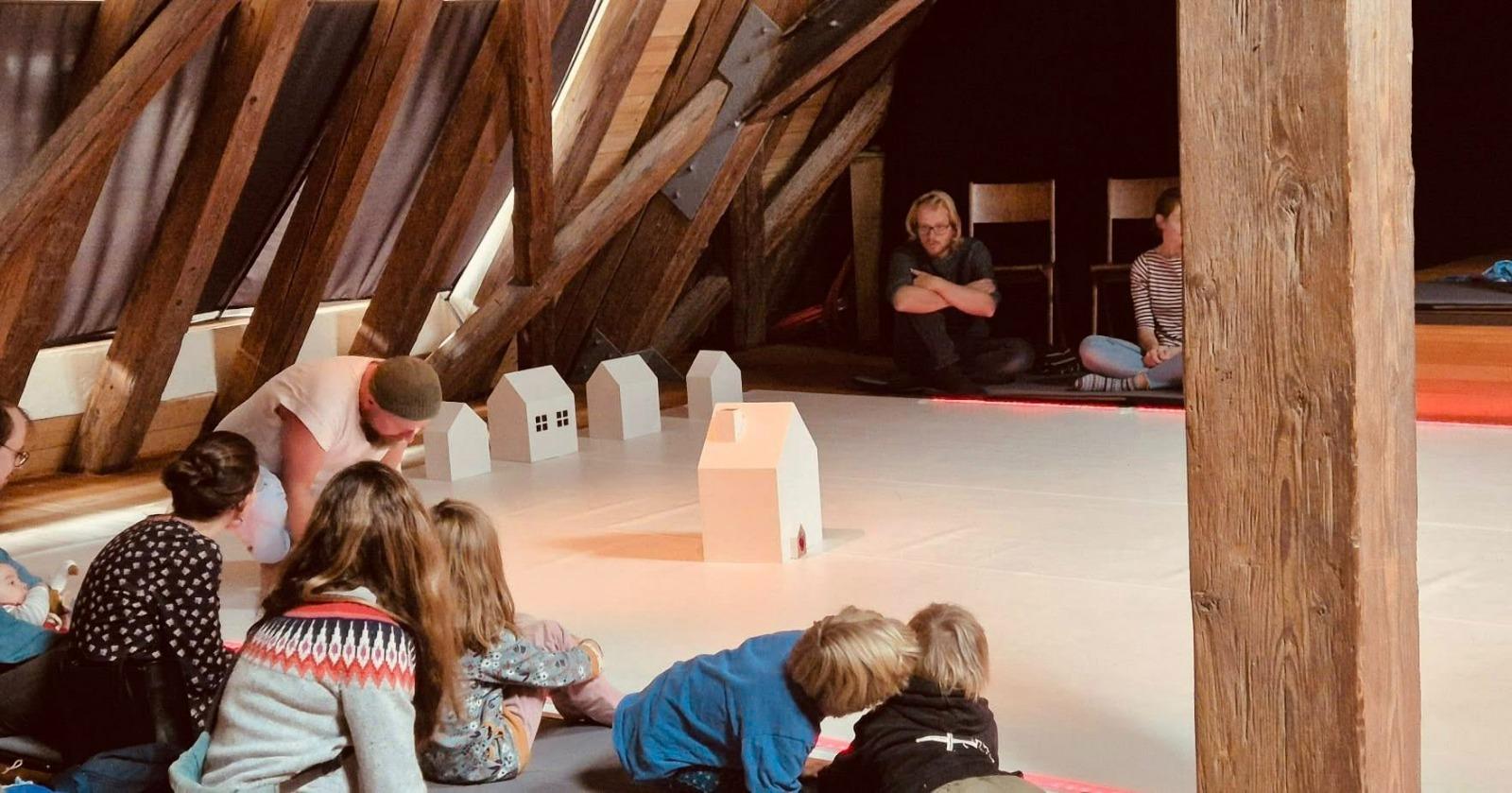
Actuación de la Art Fraction Foundation titulada «WE LIVE HERE» en el Zehntscheuer de Entringen, dentro del programa PERFORM EUROPE – «Llevando el teatro familiar a los pueblos de Europa» en Alemania.