
By Fumbani Innot Phiri Jr.
(ASSITEJ Malawi – General Secretary/YDC Theatre – Executive Director)
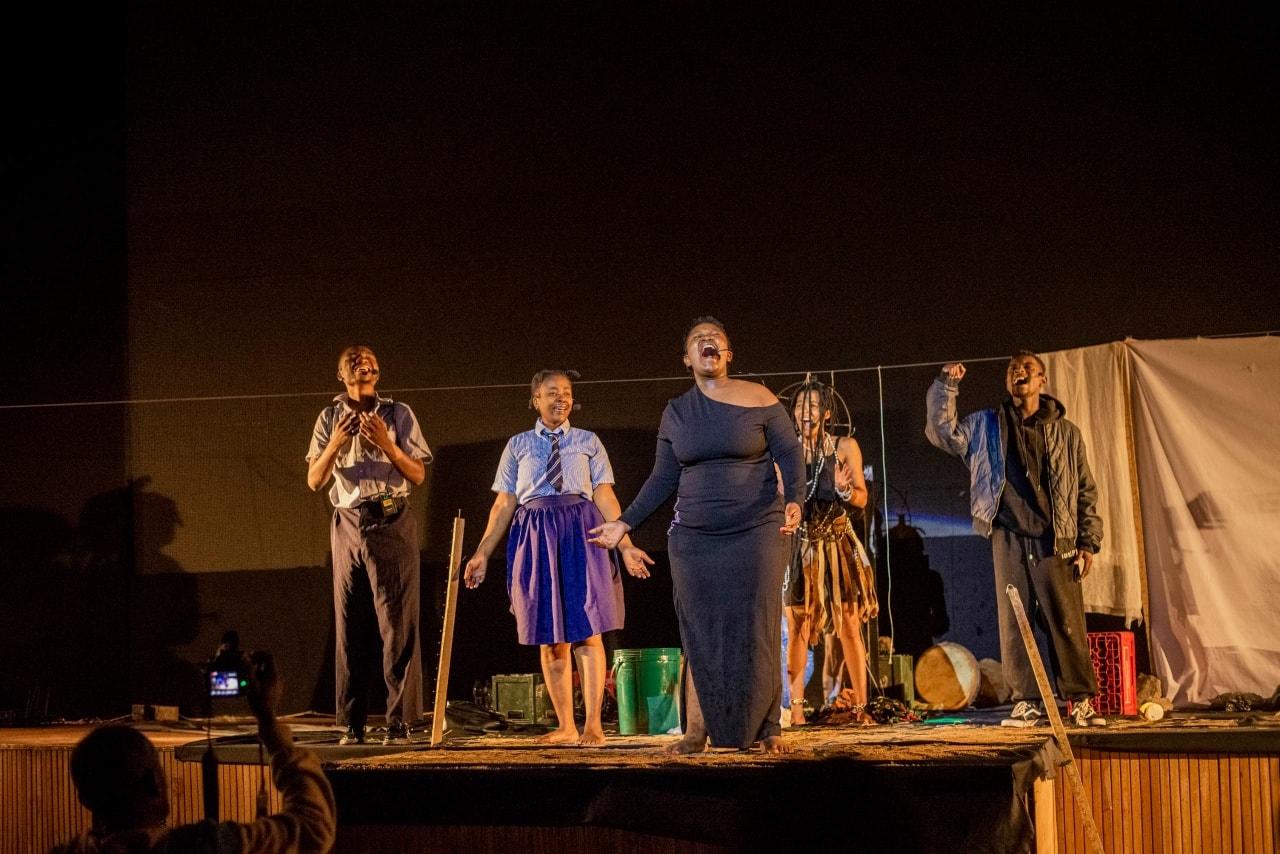
Across Malawi, a powerful and inspiring cultural shift is unfolding, one that reclaims theatre as a vital space for children and young people to express, question, and imagine their futures. At the centre of this movement stands ASSITEJ Malawi, a growing at a slow pace but a force committed to advancing Theatre for Children and Young People (TYA) as both an artistic discipline and a tool for social transformation.
This is not merely a revival of performance; it is a reawakening of purpose. Theatre is being reintroduced as a classroom without walls, a platform for dialogue, and a mirror through which young people can see themselves and the world around them more clearly.
What makes this revival particularly remarkable is the coordinated energy among ASSITEJ Malawi’s member organizations. Each institution is contributing uniquely, yet all are aligned by a shared vision: to place children and youth at the heart of creative practice.
Among the most active contributors are YDC Theatre, Jacaranda Foundation in collaboration with Alliance Française de Blantyre, Association of Teachers of English in Malawi, Light of Creative Organization, Dikamawoko Arts, and LYCO.
Together, they are building an ecosystem where theatre is not an isolated event but a continuous process of engagement, spanning classrooms, communities, festivals, and international platforms.
World Theatre Day
World Theatre Day celebration hosted by Jacaranda Foundation in partnership with Alliance Française de Blantyre. Transforming the stage into a vibrant cultural laboratory, the French Drama Festival brought together secondary school students who performed in response to the theme of technology, a subject shaping the identity and future of today’s youth.
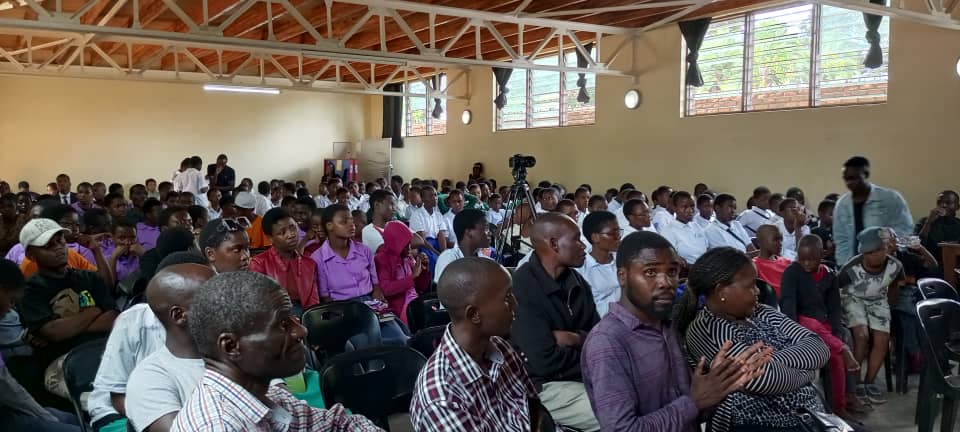
The performances were bold, imaginative, and deeply reflective. Through drama, students explored digital identity, social media pressures, artificial intelligence, and the human need for connection in an increasingly virtual world. More than 600 students stood under one stage light, sharing stories, the French language, and perspectives that transcended borders.
The festival did more than celebrate theatre; it cultivated confidence, creativity, and critical thinking. It demonstrated how performance can bridge education and lived experience, especially when young people are given the freedom to interpret global issues through their own voices.
The Return of a Giant: ATEM National School Drama Festival
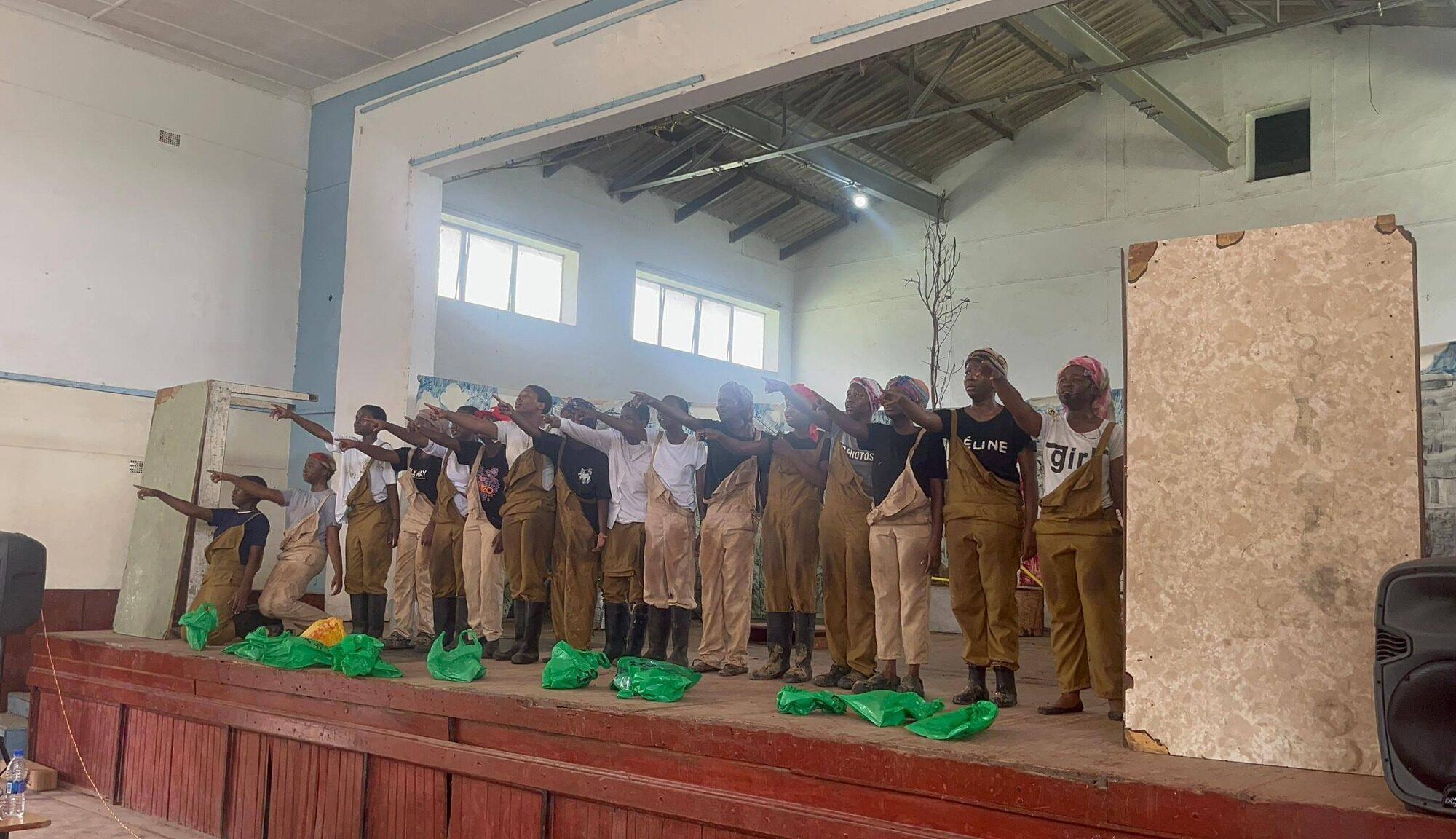
Equally transformative is the revival of the Association of Teachers of English in Malawi National School Drama Festival, supported by Standard Bank Malawi.
For decades, this festival has been the heartbeat of Malawi’s theatre development pipeline. Its absence left a noticeable gap, but its return signals a restoration of a critical cultural institution.
The scale of participation speaks volumes:
- Over 90 secondary schools are competing nationwide
- A grand finale featuring 12 top schools
- More than 400 young performers sharing one stage
- Scheduled for 16–17 May 2026
Since the 1970s, the ATEM Festival has shaped over 90% of Malawi’s theatre practitioners, making it one of the most influential artistic platforms in the country’s history. The festival is more than a competition; it is a rite of passage. For many young performers, it is their first encounter with a professional stage, their first applause, and often the beginning of a lifelong journey in the arts.
Udolo Wanga: Malawi Steps onto the Global Stage
While tradition is being revived, innovation is equally driving the movement forward. YDC Theatre is leading this charge with the launch of the Udolo Wanga Theatre Festival and Conference for Young People, set to take place in Blantyre.
This landmark initiative is Malawi’s first international festival dedicated entirely to young audiences and youth theatre practitioners. Udolo Wanga is designed as a multi-dimensional experience: Five days of theatre performances, workshops, and panel discussions. A conference for young people, amplifying youth voices in policy and creative discourse. Participation from schools, universities, and youth theatre groups. And International collaborations with artists from Zambia, South Africa, Ghana, and Germany
Udolo Wanga is creating a space for exchange, mentorship, and artistic growth. It positions Malawi as a great participant in the global TYA movement.
From Local Roots to Continental Reach
The revival of youth theatre is not confined to one city or organization. Light of Creative Organization is expanding its vision through the transformation of NASFEST into the NASFEST International Youth Cultural Festival. Once a national platform, NASFEST is now opening its doors to performers across Africa, to be hosted in Malawi’s capital city. A shift from local celebration to pan-African cultural exchange, increasing visibility for young Malawian artists. This evolution reflects a broader trend, Malawi’s growing confidence in presenting its cultural voice on international stages.
The Power of Grassroots Theatre
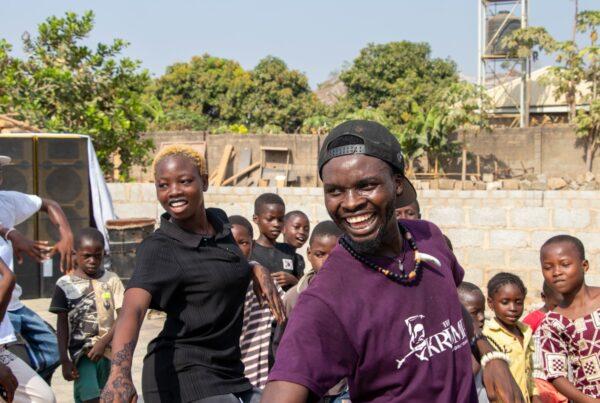
While festivals and large-scale events provide visibility, the true strength of the movement lies in grassroots engagement. Dikamawoko Arts, under the leadership of ASSITEJ Malawi Director Tawonga Tadja Nkhonjera, continues to bring theatre directly to children in communities.
These performances are intimate, interactive, and deeply impactful. They create spaces where children can laugh, learn, and see their own stories reflected on stage. Theatre becomes a living classroom, where imagination is nurtured, and confidence is built.
Through such initiatives, theatre reaches beyond formal venues, ensuring that no child is excluded from experiencing the arts.
The work of ASSITEJ Malawi and its member organizations signals more than a revival; it marks a renaissance. Across stages big and small, in classrooms and communities, a new generation is rising, confident, expressive, and unafraid to tell their stories.
Theatre in Malawi is no longer just about performance; it is about possibility. When children are given the stage, they do more than act; they shape narratives, challenge realities, and imagine new futures.