by Chinelo Chilelu
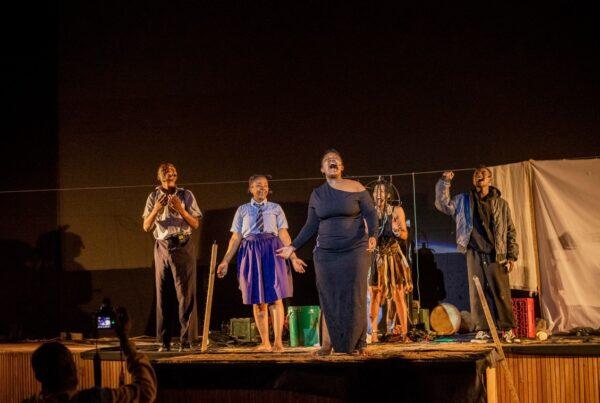
Across Africa, March 20, 2026 unfolded as a vibrant festival of creativity, advocacy, and celebration, as ASSITEJ National Centres and independent organisations rolled out the drums to mark the World Theatre Day for Children and Young People.
From Zimbabwe to Ghana, and across Nigeria—from Lagos to Benin and Abuja—and South Africa from Cape Town to Limpopo, children took centre stage, not only as performers but as powerful voices shaping conversations around their rights and futures. The celebrations echoed the global theme: “Take a Child to the Theatre Today” and “Staging the Rights of Children Today, Every Day.”
Zimbabwe: Theatre as Advocacy and Expression
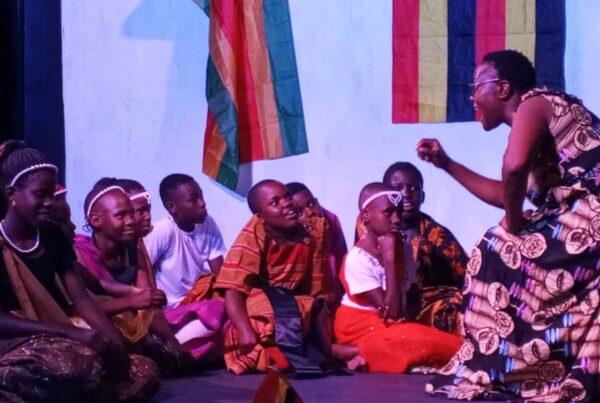
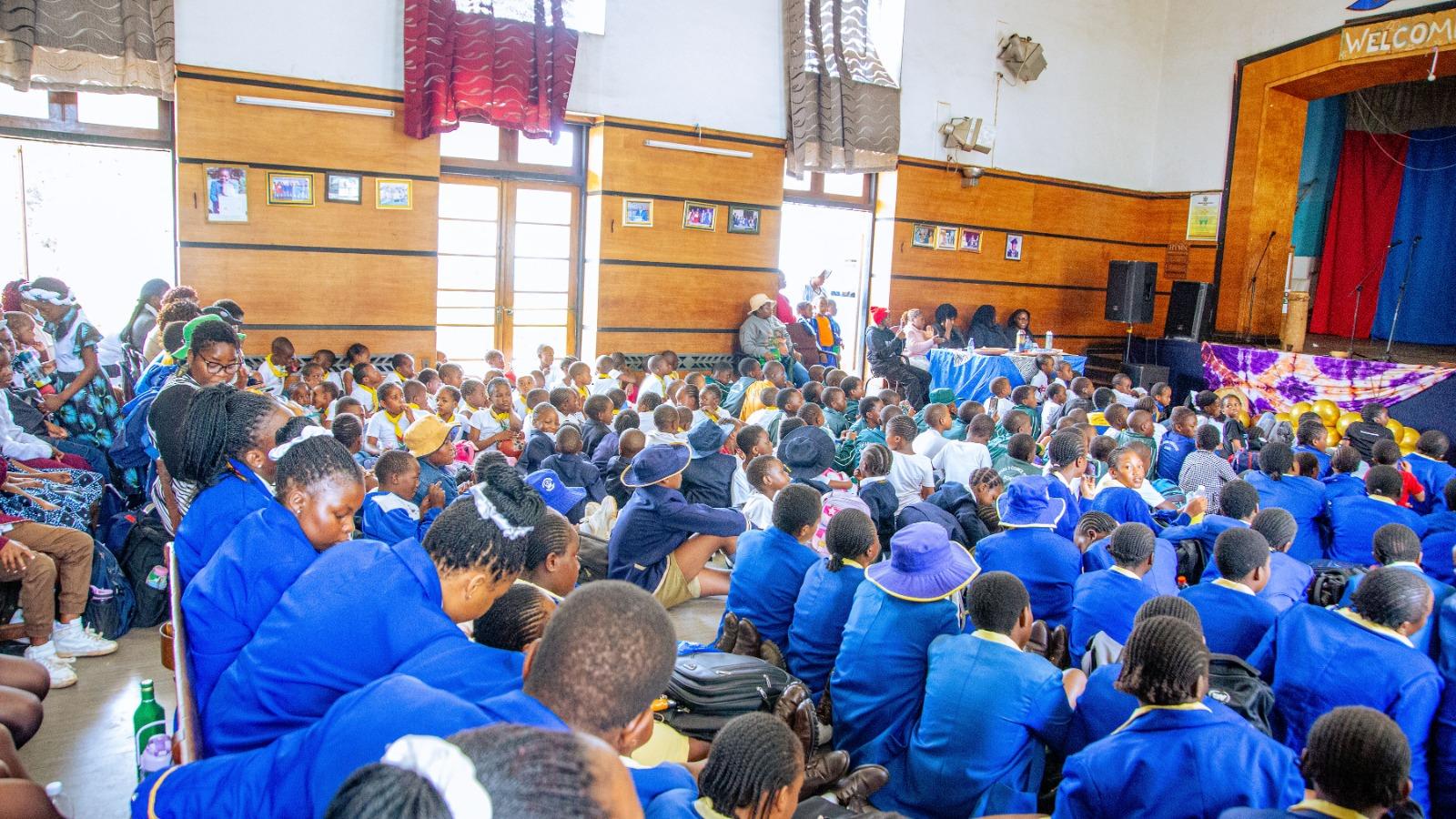
In Zimbabwe, the official launch brought together over 320 children, alongside 75 teachers and parents, creating an energetic and supportive environment for young voices to be heard. Ten schools—nine primary and one high school—participated, presenting performances in music, theatre, and dance.
The programme powerfully addressed early marriage and children’s rights, with young performers using storytelling, choreography, and drama to advocate for protection, education, and well-being. These performances served as bold calls to action for communities.
The event was graced by Siza Makwindini of Matamba Film Labs, who emphasized the importance of nurturing young talent and creating safe, creative spaces for expression—reinforcing the arts as a tool for empowerment and social change.
The celebrations continued with a second-day community event at Mbare Stodart Hall, in partnership with the City of Harare. Featuring 10 performing groups and 107 participants, this segment focused on drug awareness, addressing substance abuse through theatre, dance, and poetry.
A major highlight was the introduction of a new production, The Painted Kite, under the Little Footprint Initiative, in collaboration with Umkhathi Theatre Works and directed by Matesu Dube—signalling a growing commitment to professionalising theatre for young audiences in Zimbabwe.
Ghana: Dialogue, Reflection, and Growth
In Ghana, the day carried added significance as it marked the first anniversary of ASSITEJ Ghana, intentionally aligned with this global celebration.
The commemoration began with a live podcast centred on children’s rights, bringing together educators, practitioners, and young performers. Contributors included Deborah Akua Crentsil and Andrew Tandoh, whose insights—combined with the voices of young participants—created a rich space for intergenerational dialogue.
The session, moderated by a young performer, highlighted the importance of recognising children as active contributors to societal narratives.
The conversation, recorded before a live audience and streamed online, will serve as a lasting advocacy resource.
The celebration concluded with a symbolic tree-planting ceremony, involving children and invited guests—reflecting a commitment to sustainability, shared responsibility, and long-term impact.

Nigeria: Staging Rights Through Community Engagement
In Nigeria, activities extended across Lagos, Benin, and Abuja over an eight-week residency period, bringing together partners, communities, and artists in a shared commitment to advancing children’s rights through performance and creative engagement.
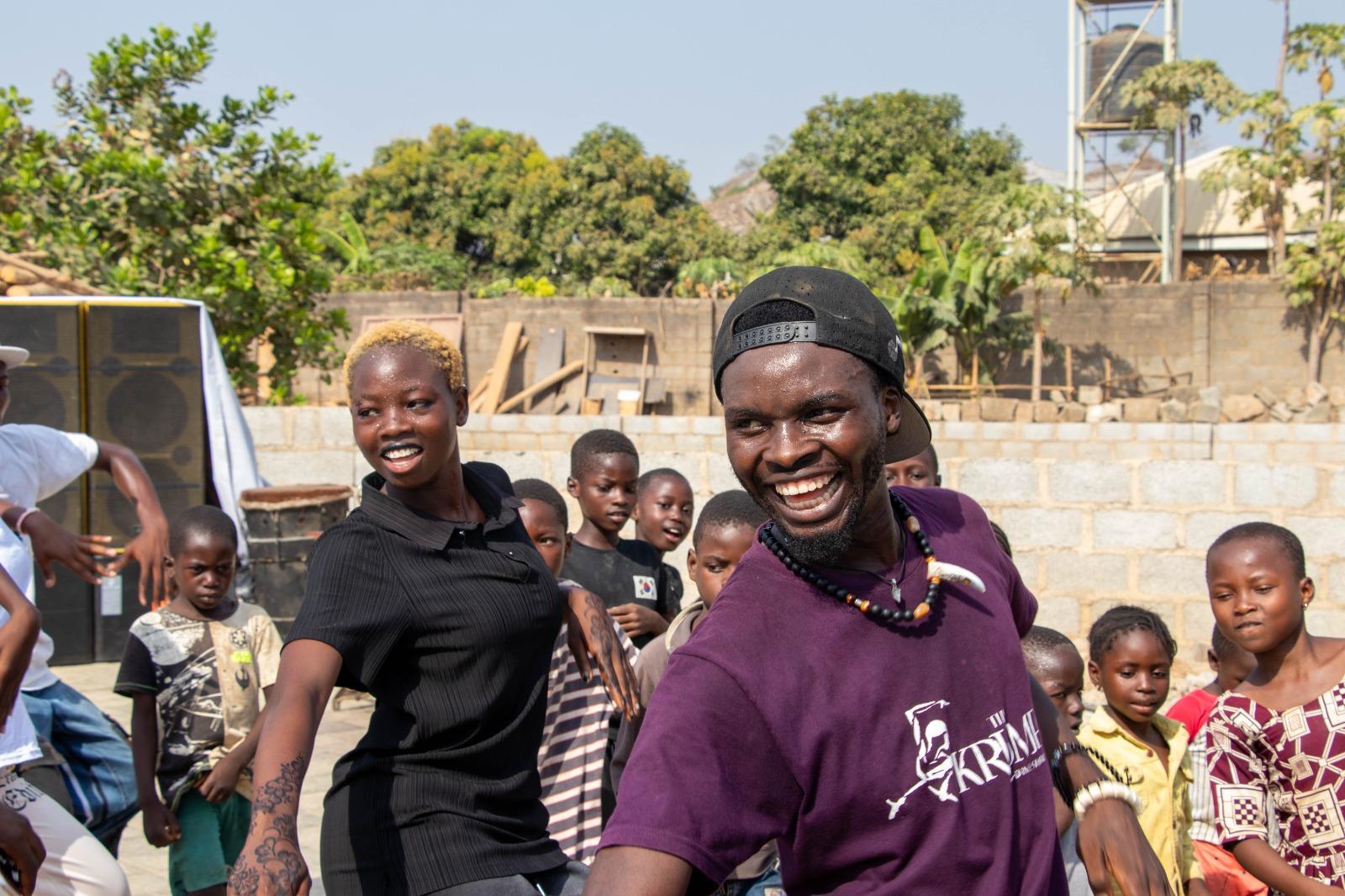
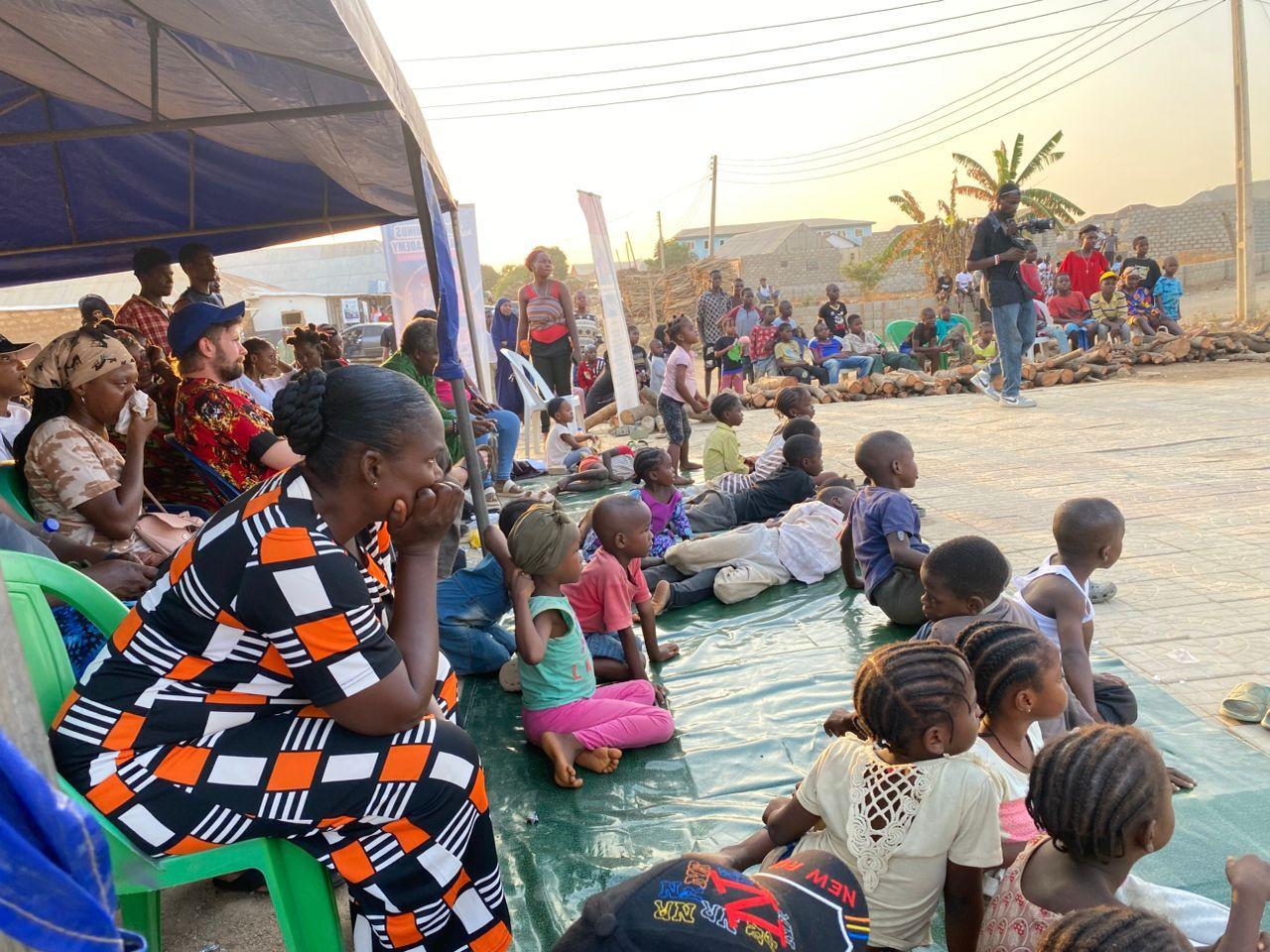
A major highlight was Krump Studio’s Dance for Impact Project, which culminated in the event titled “In-Between Echoes” in Gishiri Village, Abuja. The showcase marked the close of an intensive eight-week residency that blended training, artistic exchange, and community interaction. More than a performance, it served as a platform for reflection, storytelling, and connection, drawing over 120 attendees from the host community and beyond.
Led by Krump Studio under the direction of Jemima Angulu, the initiative engaged young participants across different skill levels, equipping them with tools for creative expression while fostering confidence and social awareness. The residency also featured strong collaborative elements, including performances by the DGreat Minds Academy dance group led by Lawrence Jesus, alongside contributions from Krump Nation students.
International collaboration formed a key part of the programme, with Polish interdisciplinary artist Tobias Sebastian Berg (also known as Hiperrobociarz) participating in the exchange. His involvement enriched the creative process, exposing participants to diverse artistic methods and reinforcing the cross-cultural value of performance as a universal language.
Supported by Dance for Impact Nigeria and a network of creative partners, the project underscored the role of art as a tool for healing, empowerment, and transformation—particularly within underserved communities.
Representing ASSITEJ Nigeria as a partner, Jerry Adesewo commended the initiative, noting its alignment with the global theme of staging children’s rights.
“Our theme this year is to stage the rights of children, and that is exactly what I have seen—their rights to life, education, good health, and of course, to theatre. That is why it is significant that this showcase is happening here in Gishiri,” he said.
He further encouraged participating artists to continue using performance as a vehicle for social impact, citing practitioners like Jemima Angulu as examples of how dance can transcend entertainment to become a force for change.
Across its engagements, the Nigeria programme demonstrated how sustained artistic residencies—anchored in community participation and strengthened by local and international partnerships—can expand access to the arts, inspire young people, and affirm the fundamental rights of children through creative expression.
Malawi: A Cultural Reawakening
In Malawi, the celebrations reflected a broader renaissance in Theatre for Young Audiences, driven by ASSITEJ Malawi and its growing network of organisations.
A key highlight was the French Drama Festival, hosted by Jacaranda Foundation in collaboration with Alliance Française de Blantyre. Bringing together over 600 students, the festival explored themes of technology, identity, and human connection, demonstrating theatre’s ability to engage with contemporary realities.
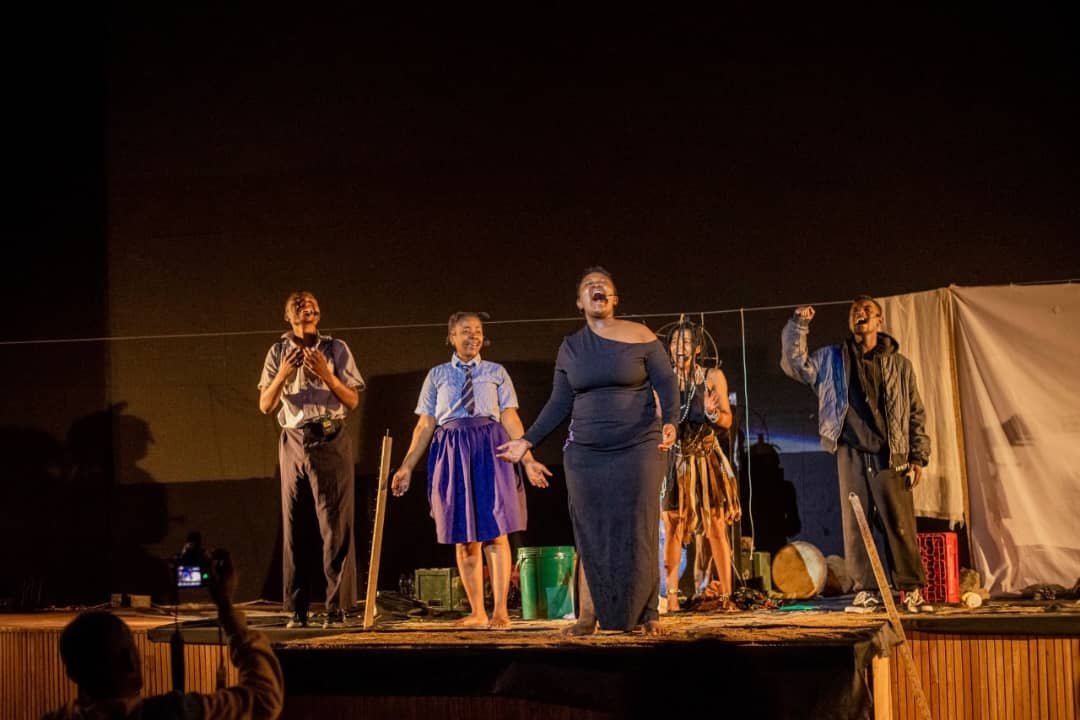
Equally significant is the revival of the ATEM National School Drama Festival, with participation from over 90 secondary schools and more than 400 young performers. This historic platform continues to shape generations of theatre practitioners in Malawi.
Innovation is also driving the movement forward through initiatives like the Udolo Wanga Theatre Festival and Conference, Malawi’s first international platform dedicated to young audiences. With participation from across Africa and beyond, it positions Malawi as an emerging hub in the global TYA landscape.
At the grassroots level, organisations such as Dikamawoko Arts are ensuring that theatre reaches children in communities, transforming performance into a living classroom for learning, confidence-building, and self-expression.
South Africa: Taking children to the theatre and staging children’s rights
ASSITEJ SA mobilised partners nationwide to bring theatre directly to children or to take children to live performances, with a strong focus on access for marginalised communities as a fundamental right.
Through the campaign, ECD learners in the Free State experienced their first theatre outing via the Travel and Events Grant, with performances of Dimpho and the Catfish. In the Western Cape, performances of Grommels were given free of charge to ECD learners.
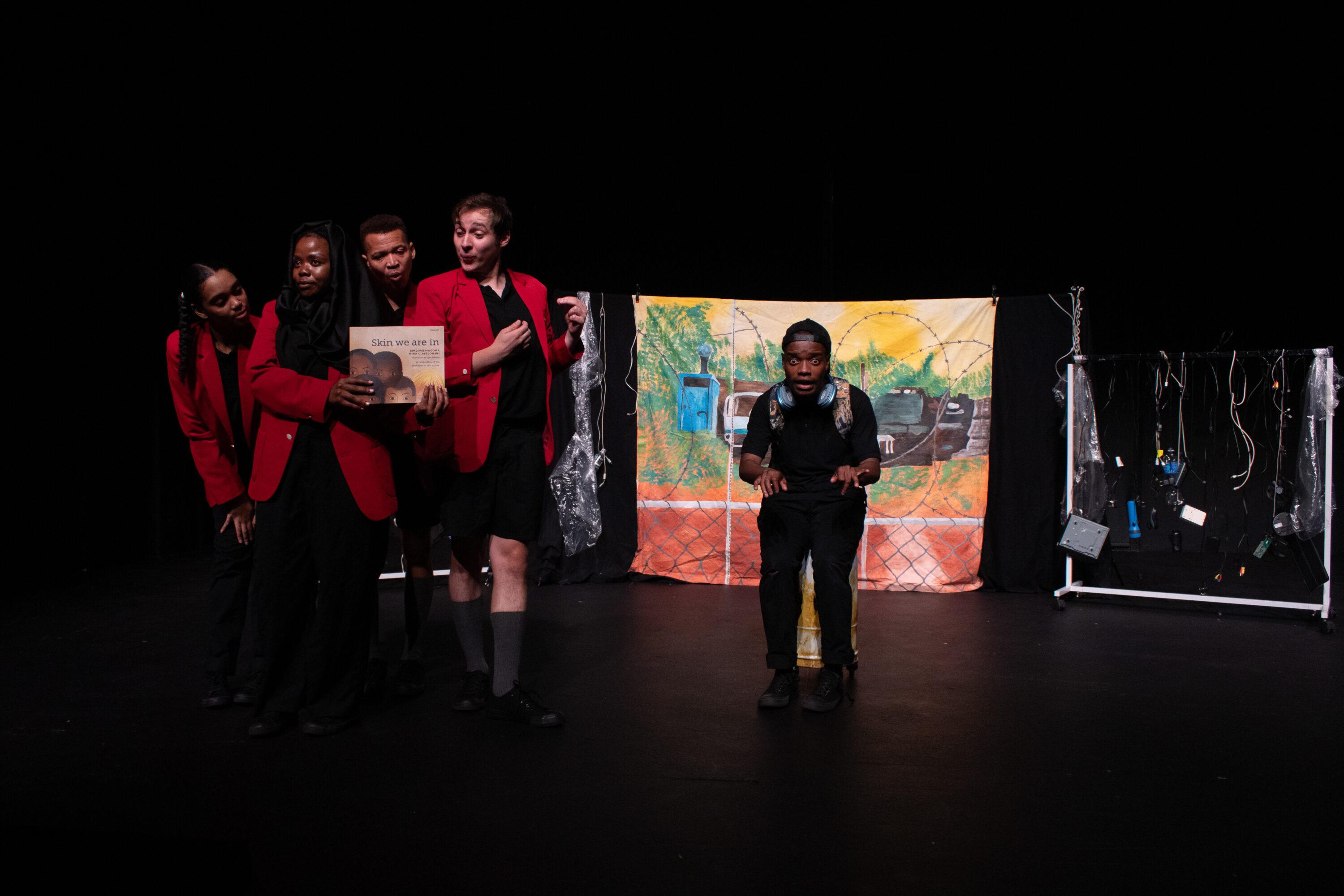
For primary schools, ASSITEJ SA’s flagship production Nompilo expanded significantly, and toured throughout February and March, reaching over 10,036 children across five provinces, addressing GBV and empowering learners to speak out. ‘Skin we are In’, a production of the Market Theatre, meanwhile performed free for teachers and learners on 20th March, addressing issues of racism and colorism, in a powerful performance.
High school audiences in the Eastern Cape were able to enjoy My Children! My Africa! By Athol Fugard at the Mandela Bay Theatre Complex, amongst other productions.
ASSITEJ SA was instrumental in taking children to performances at festivals such as Zabalaza Festival (Cape Town), KKNK (Oudtshoorn) and Botho Arts Festival (Limpopo), among others.
In addition, our Johannesburg team was an integral part of hosting the two-day Human Rights Festival at Constitution Hill, which further amplified youth voices. 70 young performers and 500 audiences members brought the space to dynamic life through performance, play, and participation!
Across provinces, programmes reached thousands through schools, festivals, and community spaces. In Mangaung and KwaGuqa, facilitators integrated theatre into the curriculum, developing confidence, creativity, and critical thinking among learners. In Sekhukhune, youth performances and culturally rooted storytelling deepened community engagement. There were also inclusive performances especially designed for blind children, created by Moalusi Creations.
Partners including PACOFS, Artscape, Baxter Theatre, Mandela Bay Theatre, Market Theatre, Jungle Theatre Company, SistaBoss Academy, West Rand Young Guitarists, Lefika, Struggle Theatre Company, Nqobo Tsebe Arts, RAP Motswala, and community initiatives like “Theatre Saturdays” have ensured sustained access for children and young people beyond a single day.
Through advocacy, partnerships, and programming, ASSITEJ SA worked to ensure that children could access theatre, and be empowered to imagine, express, and shape their own futures.
A Continental Movement
Across these diverse yet interconnected celebrations, a shared vision emerged: theatre as a transformative tool for empowerment, education, and social change.
Whether addressing early marriage, drug abuse, environmental responsibility, or digital identity, children across Africa used performance to speak truth, inspire dialogue, and imagine new futures.
The 2026 World Theatre Day for Children and Young People reaffirmed a powerful truth:
Children are not just audiences—they are storytellers, advocates, and cultural leaders.
As ACYTA and ASSITEJ continue to strengthen their network across the continent, one message remains clear: When children are given the stage, they do more than perform—they transform their world.