24 August – 6 September | Kimberley, Northern Cape and Johannesburg, Gauteng
ASSITEJ South Africa’s Cradle of Creativity Festival has celebrated imagination, connection and possibility, reaching more than 5,000 children and young people through 25 productions from 10 countries across Kimberley and Johannesburg.
Over two weeks, artists from South Africa, Zambia, Zimbabwe, Nigeria, Ghana, Uganda and Rwanda joined artists from Germany, the Netherlands and Australia for a vibrant celebration of Theatre for Young Audiences (TYA). The programme brought together work by, with and for children and young people, spanning dance, theatre, music, storytelling, circus and non-verbal performance.
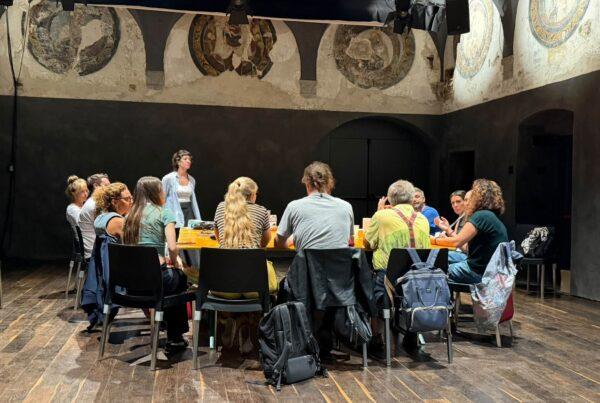
The festival also created an important platform for international exchange. A session at the Goethe-Institut brought artists together to explore potential collaborations and share perspectives on the different realities shaping TYA across Africa and internationally.
The festival conference, opened virtually by Sue Giles, President of ASSITEJ International, brought together more than 18 organisations for a day of discussion and exchange around Youth Arts, Agency & Artivism, Inclusion in the Arts, and Arts as/in Education. Representatives from the Department of Basic Education and the Department of Sport, Arts and Culture, alongside artists and organisations from across the province, contributed to conversations that have the potential to spark new partnerships and support.
The Cradle of Creativity festival offered a world of stories and experiences for audiences from one to adulthood.
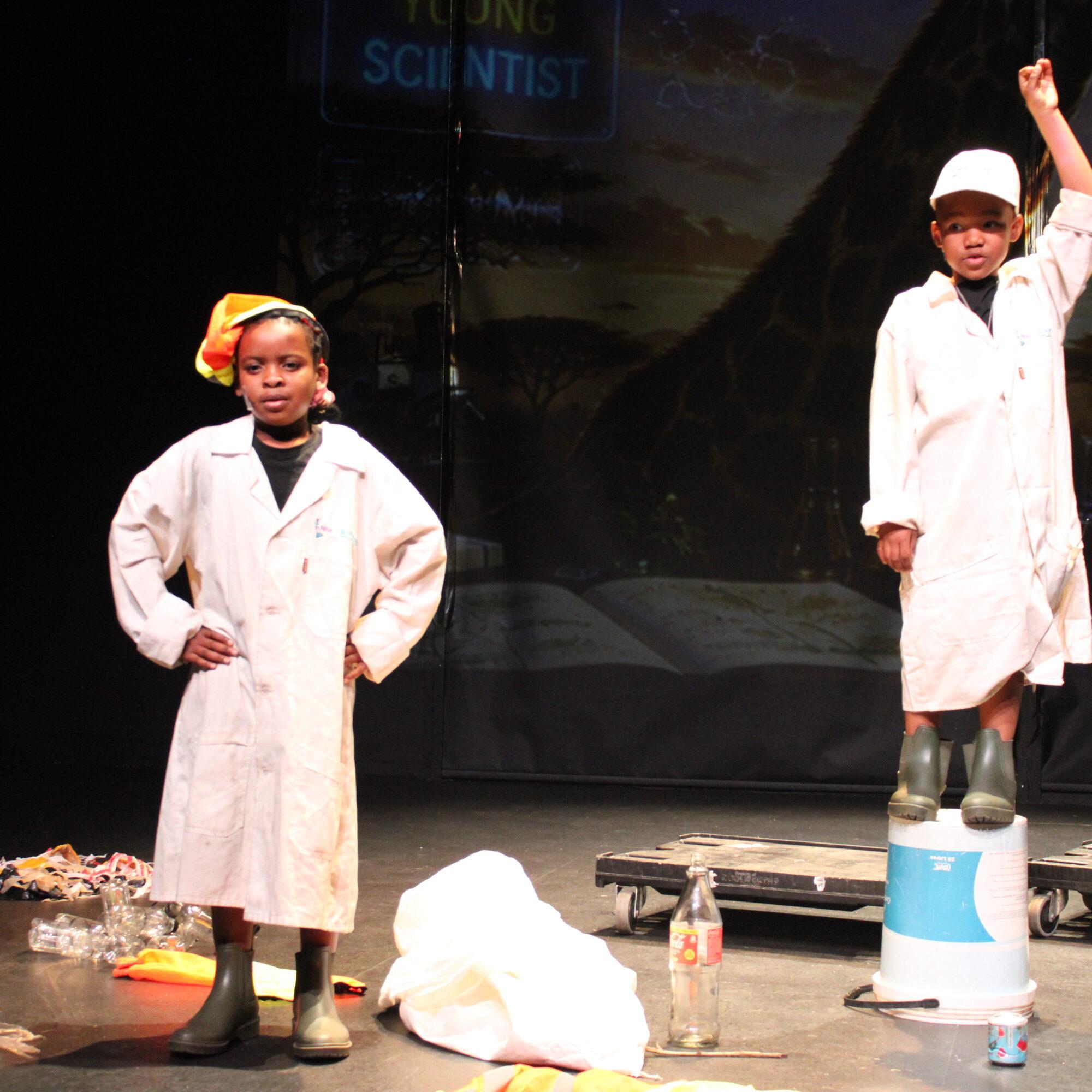
For the youngest audiences, Eyecatchers by De Stilte from the Netherlands offered a sensory dance experience for children aged one and older, combining playful movements, unusual instruments and engaging interactions. South Africa’s award-winning Grommels, for ages two and older, followed the last two colours in a grey world, finding one another across differences. Australian production The Boy and the Ball, aimed at four-year-olds, used simple objects and theatrical illusion to tell a gentle, non-verbal story about shyness, friendship and connection. The Young Scientist presented young children as capable thinkers who can respond to environmental destruction in meaningful and positive ways. It was voted Best Early Years production by the team of Young Critics who attended the festival.
For children aged five to twelve and their families, South Africa’s The Forest combined live dance, animation and audience participation in a story inspired by Lesya Ukrainka’s Forest Song. Exploring nature, imagination, love and resilience, it encouraged audiences to consider their relationship with the natural world. Ghana’s Gizo-Gizo! The Musical continued this theme, using traditional and contemporary music, drama and dance to tell the story of a selfish spider who pollutes a lagoon. Zimbabwe’s The Painted Kite explored friendship, bullying and self-discovery, while South Africa’s Serurubele/Butterfly Heart by Lalu Mokuku, offered a sensitive exploration of friendship, grief and loss.
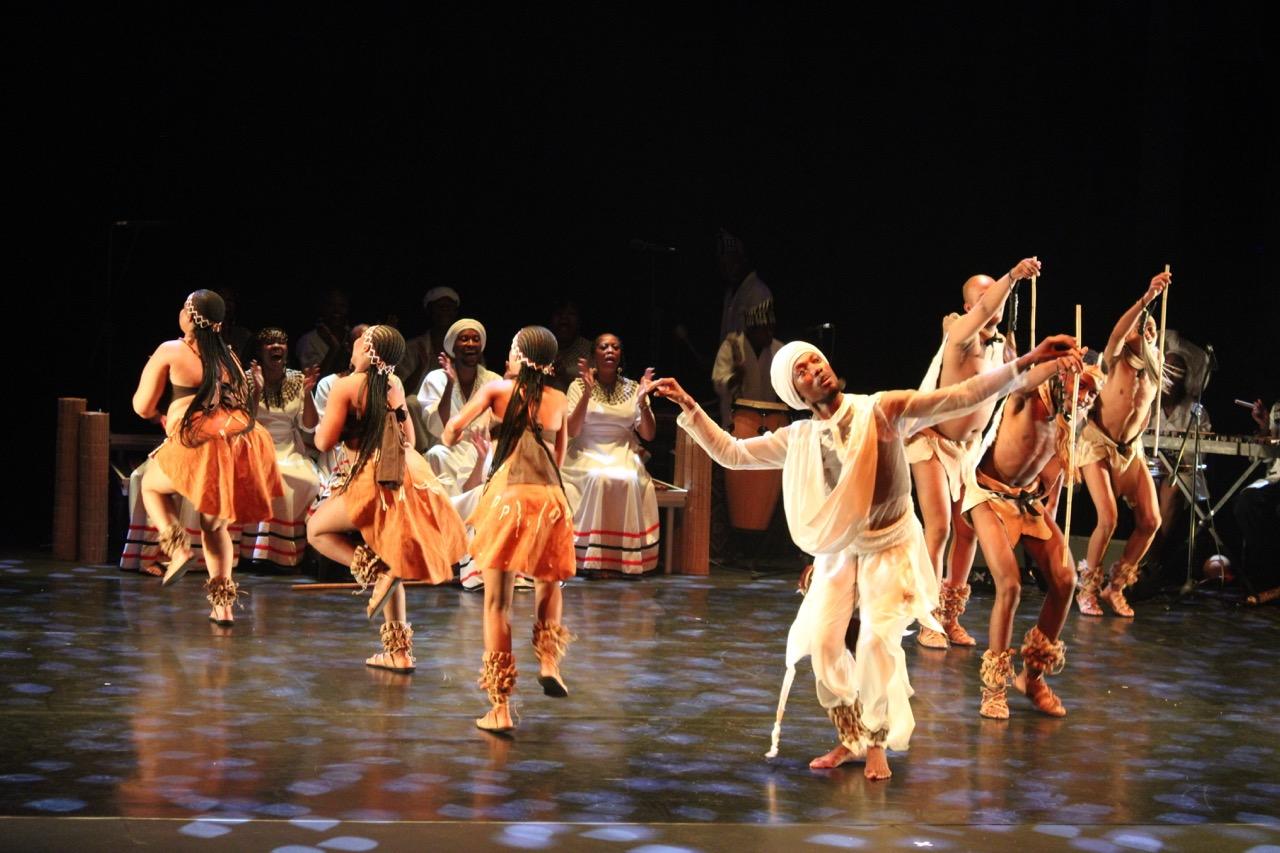
We also hosted some spectacular productions including IreOluwa, by Amandla Danca Teatro ZA from the Northern Cape, which brought together Yoruba and Khwe Xam (Khoi San) music and dance, and won the Best Production of the festival from the Young Critics. In addition, Golden Memories from Circus Zambia, combined circus, physical theatre and music to explore childhood memories, nightmares and dreams of transcendence. It won the Most Spectacular Production Award from the Young Critics.
Some productions addressed the complex realities facing young people today. Dimpho and the Catfish explored adolescence, the dangers of technology and the evolving relationship between a mother and daughter as they tackle these challenges. Nigeria’s Leah reimagines the story of Leah Sharibu, abducted by Boko Haram and still missing, in an act of conscious memory. The Rwandan and German collaboration, Talking About Silence, created by Ishyo Arts Centre and Helios Theatre, used personal stories and songs to explore silence within families, communities and histories. Supported by the Goethe-Institut, it reflected the festival’s commitment to international artistic exchange in the creation of new work.
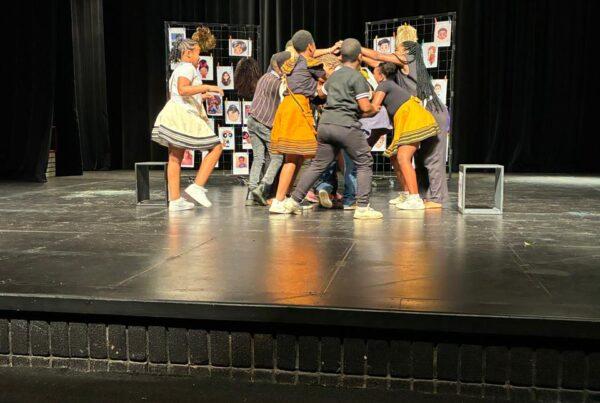
For teenagers, productions including Skin We Are In, The Snake Around Baba’s Waist (which won the Young Critics Award of Most Emotional Production), RooiLug, S.O.N.D.A., A Season of Hell (Most Enjoyable Production) and Letters From Tomorrow explored race, belonging, trauma, political responsibility, rebellion, regret and redemption — speaking into the belief that young people need spaces in which to practice their own agency and to debate, reframe and rethink the important issues facing us today..
As Cradle of Creativity draws to a close, we can say that the festival has strengthened connections between artists across Africa and the world, opened conversations between the arts and education sectors, and created opportunities for children and young people to experience stories that reflect both their own lives and experiences far beyond them.
Above all, the Cradle of Creativity Festival has once again shown the power of the arts to connect, challenge, inspire and imagine new possibilities, bringing Africa and the world into closer conversation.
ASSITEJ South Africa is grateful to all its festival partners and supporters: the Department of Sport, Arts and Culture, the Department of Basic Education, the National Arts Council through the Presidential Employment Stimulus Programme, the Market Theatre Foundation, the Windybrow Arts Centre, the Royal Netherlands Embassy, Performing Arts Fund NL, Goethe-Institut, Northern Cape Theatre, Northern Cape Arts and Culture Council, the Social Employment Fund and Buz Hive.
The festival was presented with the support of the Goethe-Institut and Expertise France, in partnership with Institut français, within the framework of the Connect & Create programme funded by the European Union.