In Lebanon, theatre for young audiences continues to find ways to meet children where they are. Across recent months, three initiatives have offered different glimpses into the resilience and imagination of the Lebanese TYA community: a first sensory theatre experience created for toddlers, a theatre intervention that brought hope to children displaced by war, and the return of a summer season that has connected generations of Lebanese families for decades.
D’eau et de soleil / شمس ومي: A new Theatre Experience for Toddlers in Lebanon
In a rare experience of its kind in Lebanon, D’eau et de soleil (French) / شمس ومي (Arabic), a production by Le Monot Theater directed by Sharbel Bahry, under the supervision of Karim Dakroub, and in collaboration with ASSITEJ Lebanon, introduces theatre to the country’s youngest audiences.
This production is part of the “Artistic Awakening from Early Childhood,” an innovative and inclusive program initiated by Le Monot Theater for children aged 1 to 4 and their parents. In a country where access to culture for the very young remains limited, the project offers gentle, immersive artistic experiences that stimulate children’s sensory and emotional development while strengthening the parent-child bond. With a strong focus on inclusion—welcoming children with disabilities, refugee families, and those in vulnerable contexts—the initiative also invests in sustainability by engaging young emerging artists for at least three years, equipping them with specialised training in early childhood creation. Hosted at Théâtre Monnot and partner venues, this pioneering program aims to inspire Lebanon’s youngest audiences and nurture a new generation of artists dedicated to cultural innovation and social impact.
Performed by Sharbel Bahry, Mohammad Ahmad, Brigitte Aiki, and Mayam El Khoury, the production invites children between one and four years old into a poetic exploration of the relationship between weather and emotion.
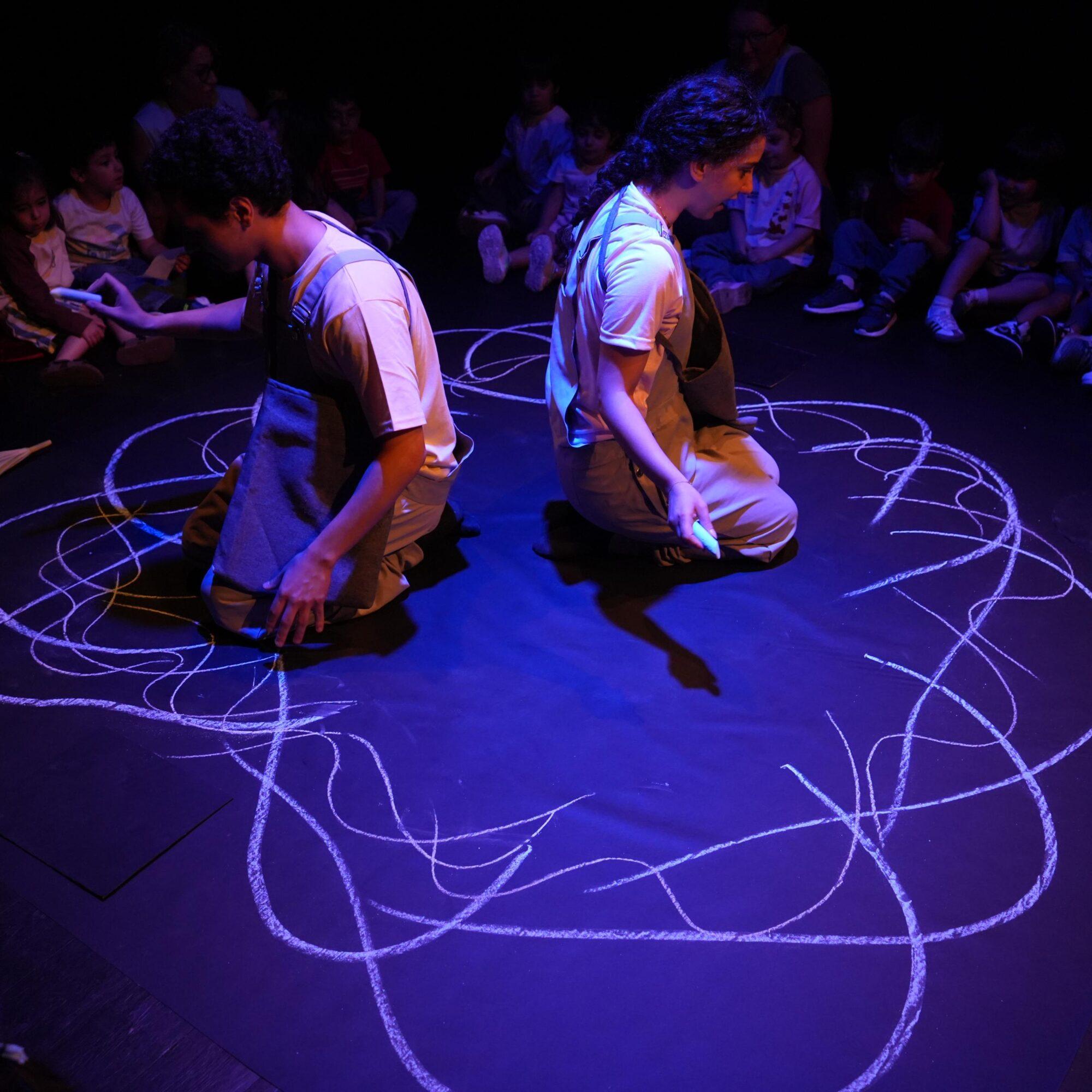
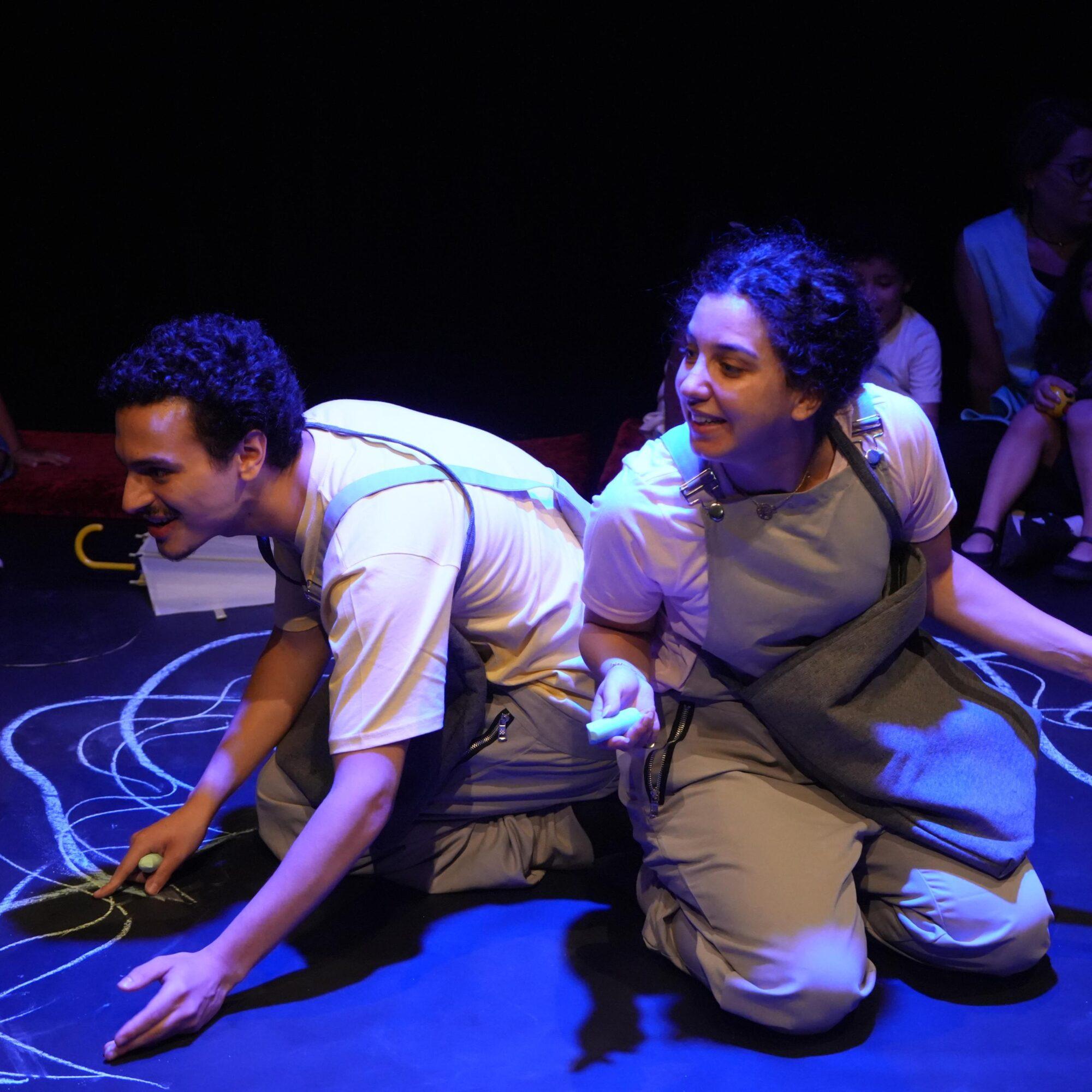
The performance follows two performers exploring simple materials such as chalk and water, combined with music, movement, light, and sensory elements, inviting young children to connect changes in the world around them with their inner emotional experiences. Three trial performances showed the powerful impact of theatre on very young audiences. Although many children initially struggled with the unfamiliar environment, they quickly became immersed once the performance began, remaining highly attentive and engaged throughout. Educators noted the unusually sustained level of attention and participation.
The official launch of D’eau et de soleil / شمس ومي is planned for September, opening a new chapter for theatre for the very young in Lebanon.
The Olive Tree: Bringing Hope Through Theatre
During the recent wars (starting September 2024), theatre also found its way into shelters, reaching children who had been displaced from their homes.
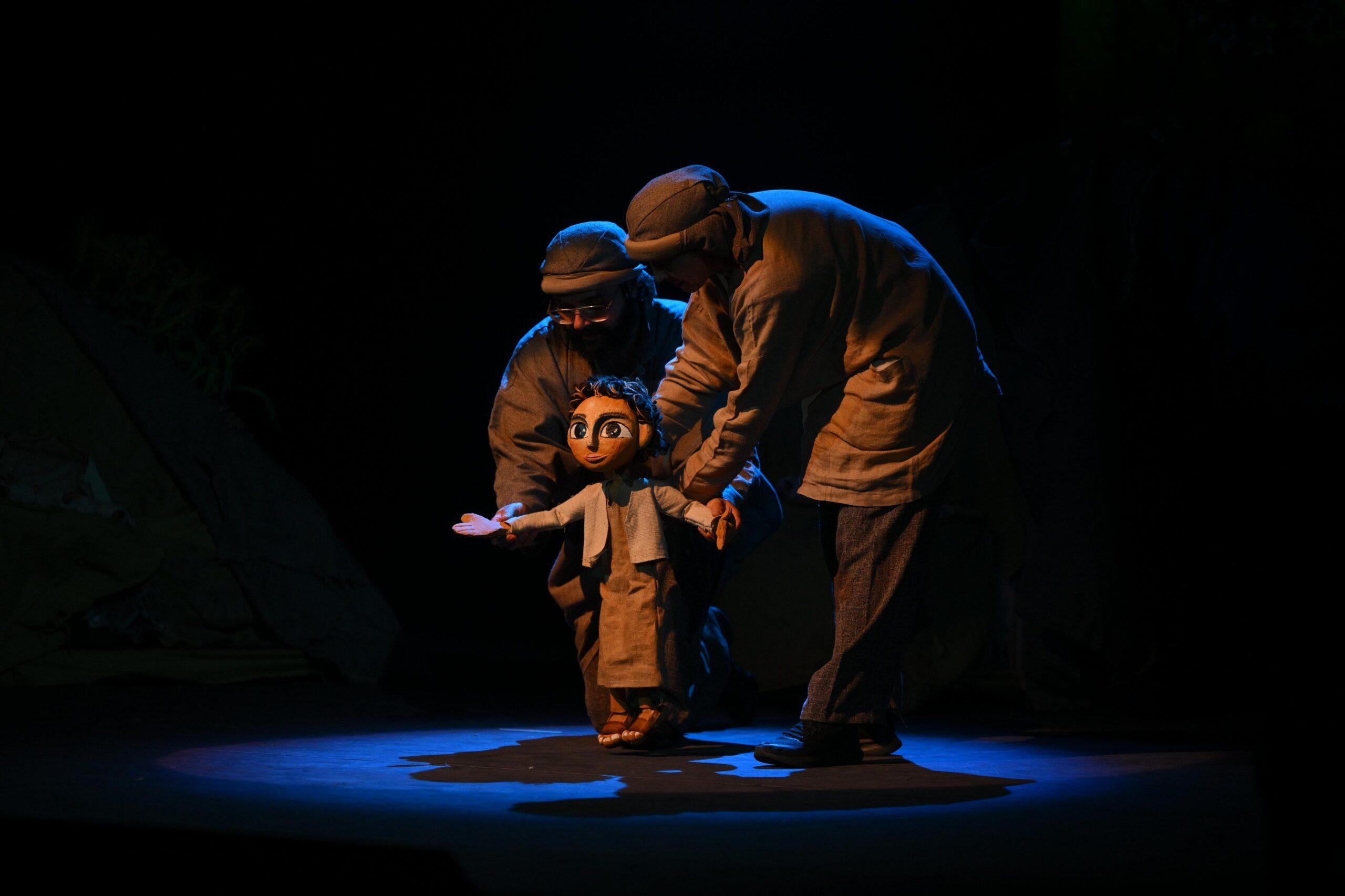
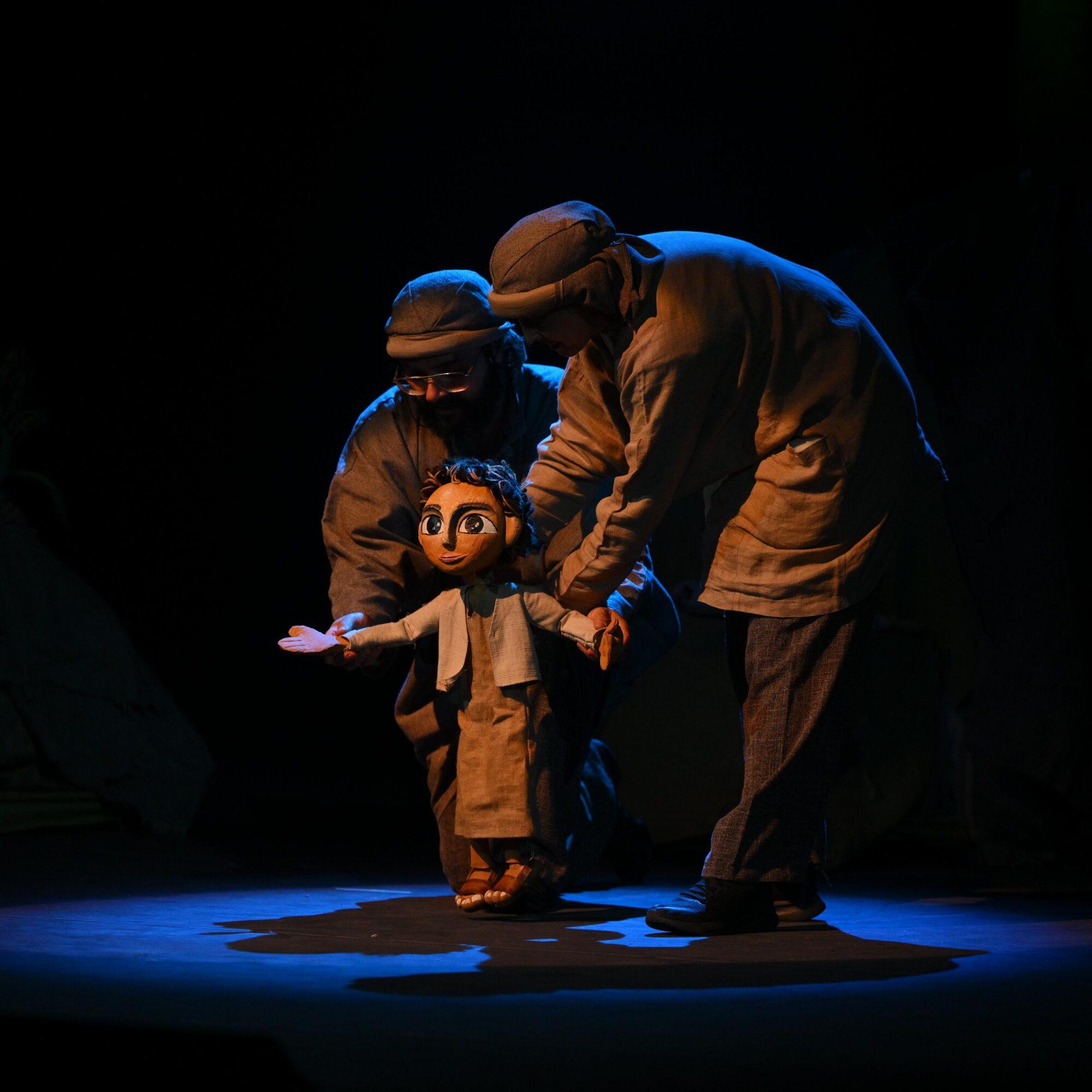
Created by Karim Dakroub and performed by Sharbel Bahry and Hamza Abdel Sater, The Olive Tree is a puppet storytelling intervention centred around the relationship between a grandparent and a child. Before bedtime, the grandparent tells the child a story about a family from southern Lebanon who were forced to leave their home because of the war. Amid everything that was lost and left behind, one thing remained standing: the olive tree.
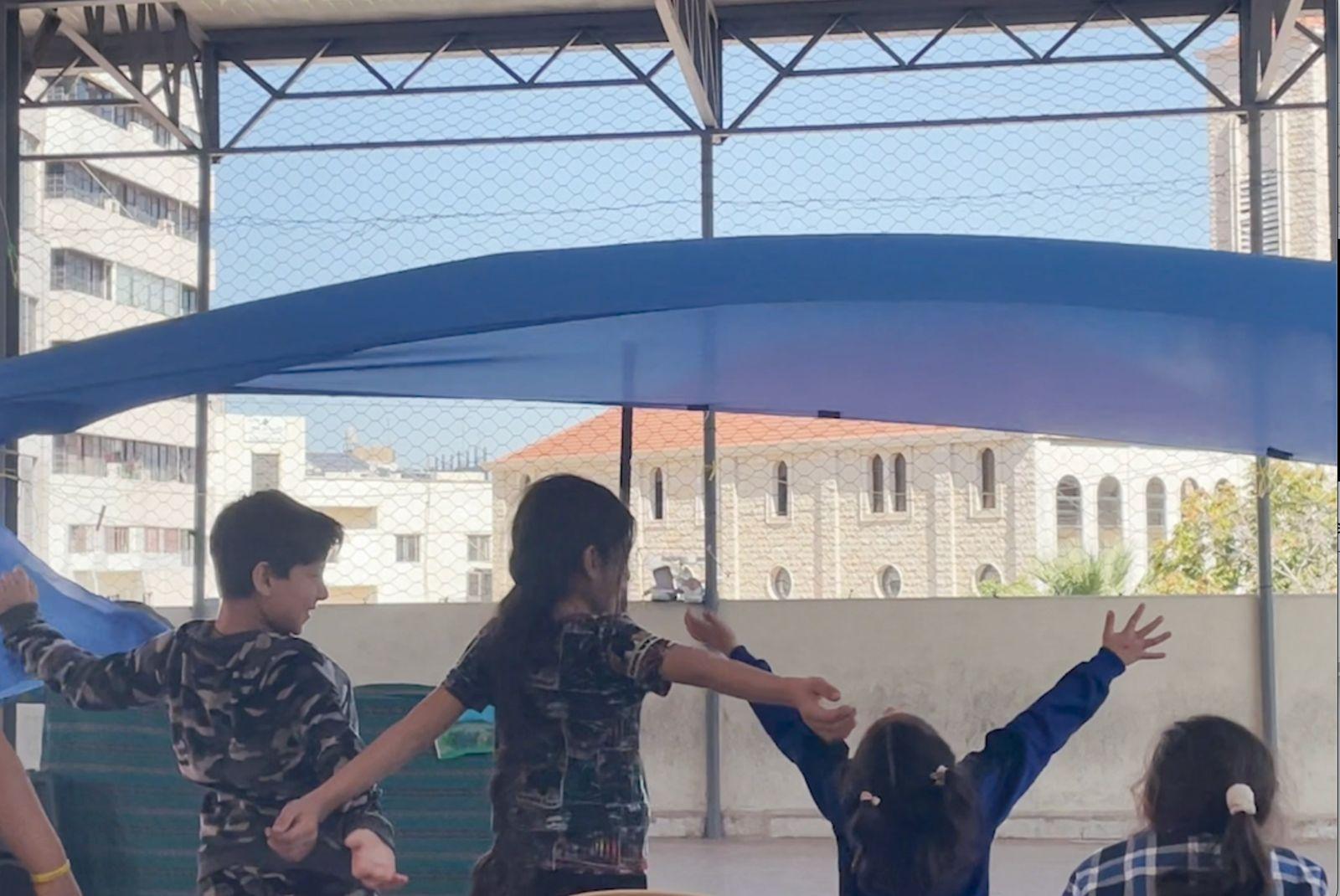
Through storytelling and puppetry, the intervention offered children a space to pause, imagine, and reconnect with themselves. It also incorporated simple exercises designed to help children relax, ground themselves, and find moments of calm while navigating unfamiliar and difficult circumstances.
The project was performed in different shelters in Lebanon, bringing theatre and a message of hope to children during a time of uncertainty and displacement.
During the war, in response to the high demand for this initiative, ASSITEJ Lebanon expanded this experience. Khayal Association and Reframe Center organized volunteer training sessions for artists and activists to perform this interactive show in shelters across various parts of Lebanon, particularly in high-risk areas. Many performers volunteered to promote this artistic psychosocial initiative, which helped enhance the well-being of children and families amidst the challenging circumstances of displacement.
The Return of Khayal Lebanese Puppet Theater Summer Season
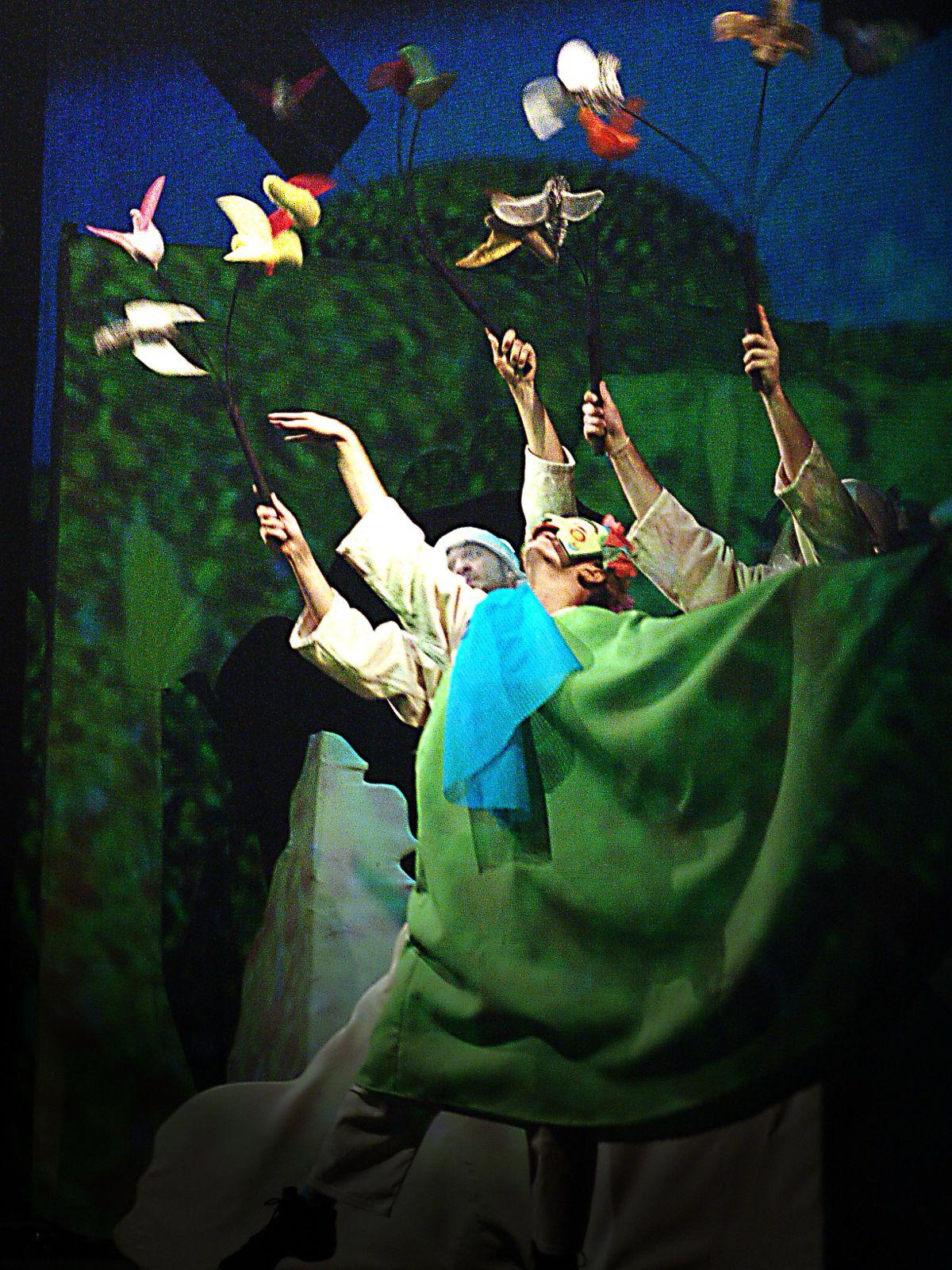
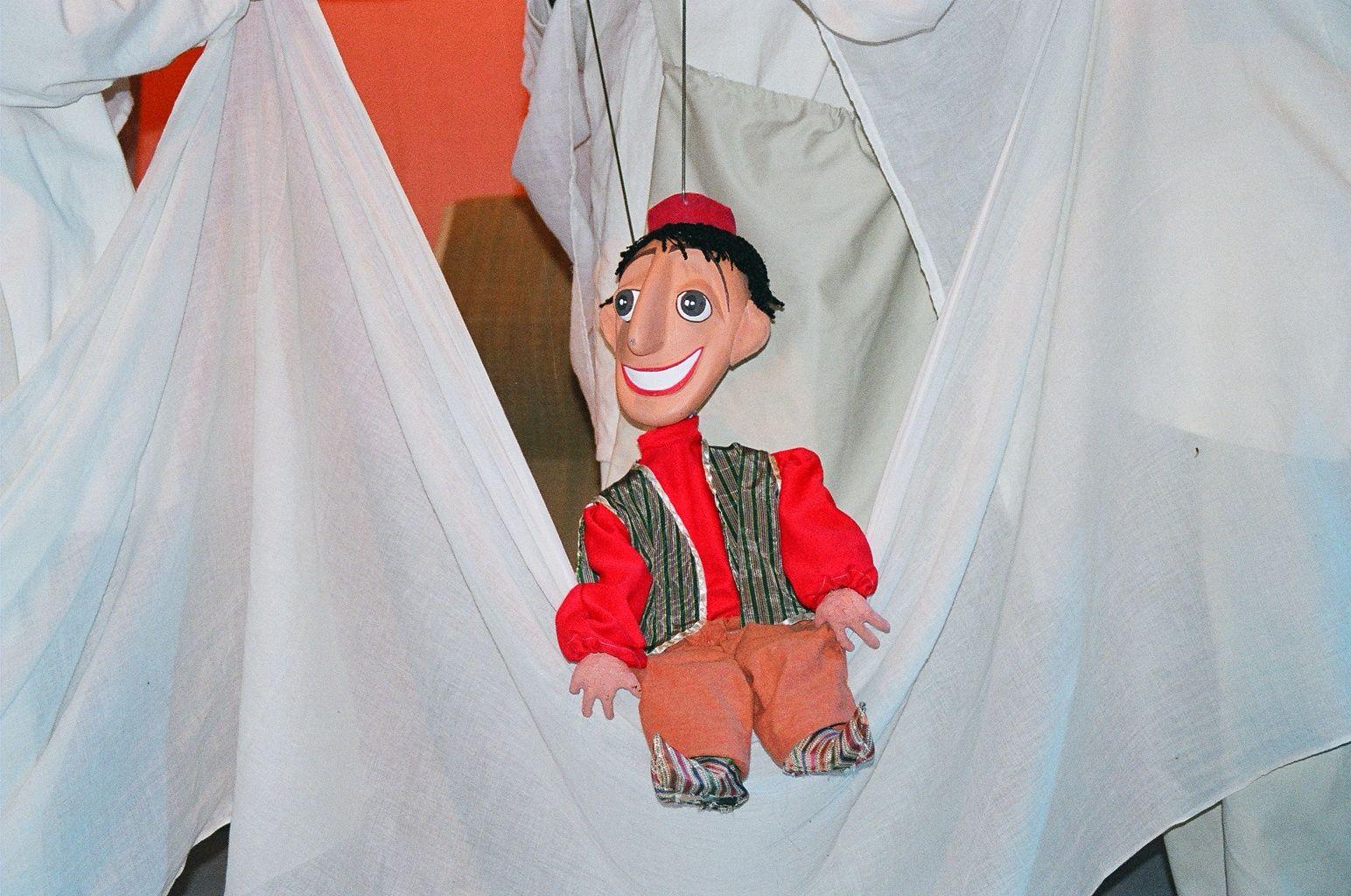
After a difficult period marked by war and uncertainty, the Lebanese Puppet Theater returned to its summer season throughout July and August, welcoming audiences every Thursday. Each week, a different production from its repertoire of nine plays takes the stage.
For many Lebanese families, these productions are part of their own childhood memories and have become a tradition passed from one generation to the next.
Some of the repertoire’s productions have been performed for more than three decades. Today, it is not uncommon to see three generations sharing the same audience: grandparents who once watched these plays, parents who grew up with them, and grandchildren discovering them for the first time.
The summer season also welcomes many Lebanese families who now live abroad and return to Lebanon during the summer, bringing their own children to experience the performances that were part of their childhood.
Together, these three initiatives reflect the many ways theatre for young audiences continues to live and grow in Lebanon. It can invite a toddler into a first encounter with theatre; offer a child facing displacement a moment of calm and hope; or bring a family together around a story passed down for generations. In a country where circumstances can change so quickly, these moments of imagination, connection, and continuity remind us why creating spaces for children to experience theatre remains essential.