By Rivardo Niyonizigiye
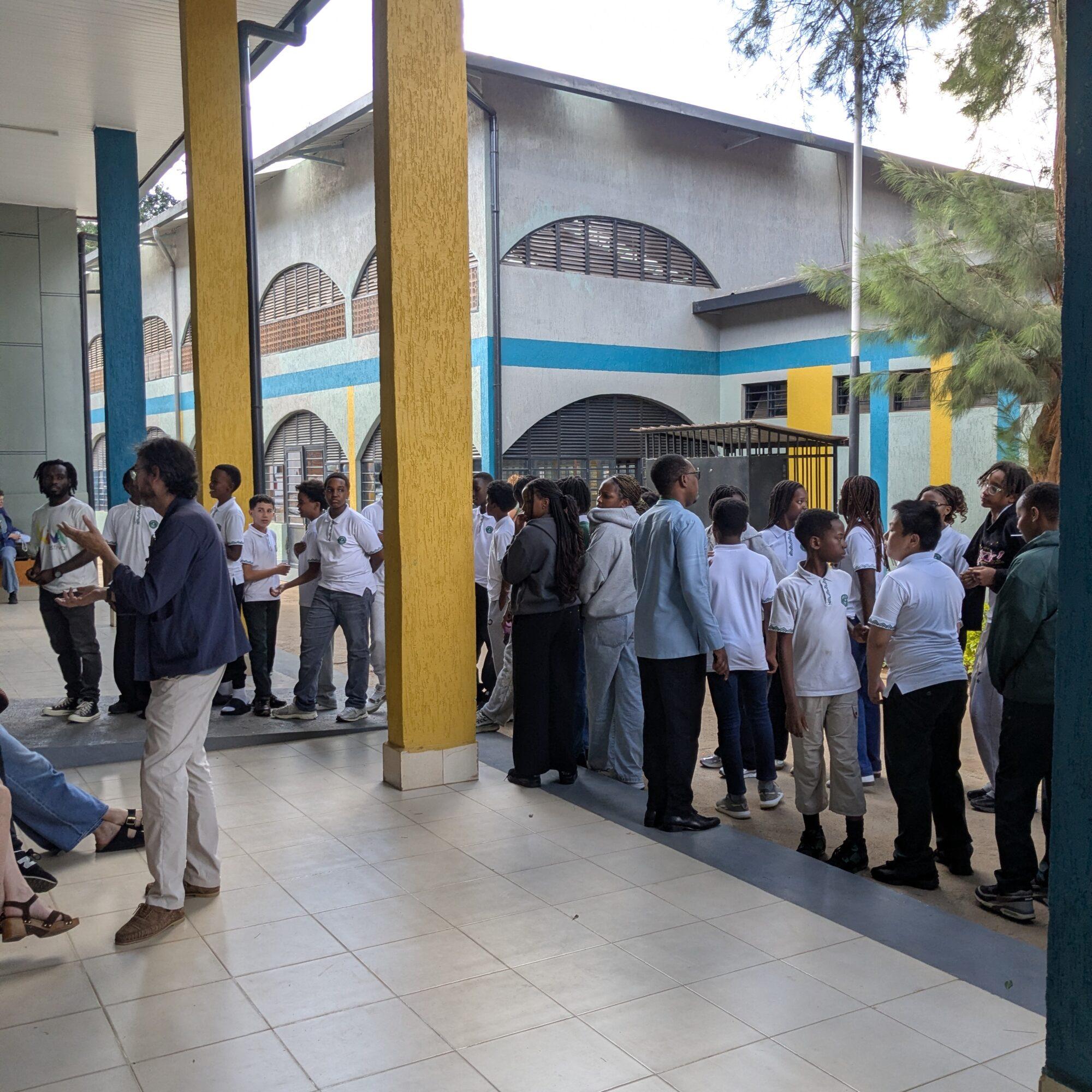
Some events become impossible to miss, not out of habit or obligation, but because of what they offer and what one takes away from them. KINA Festival 2026, held in Kigali from 7 to 13 May 2026, is one of those rare gatherings.
Since 2015, KINA has been a constant fixture in my artistic journey. This year, I returned to Kigali with Kabeba, a production that joined a festival renowned for bringing together artists, families, and young audiences in a spirit of creativity and discovery. Yet this edition felt different. Something had shifted.
Africa at the center
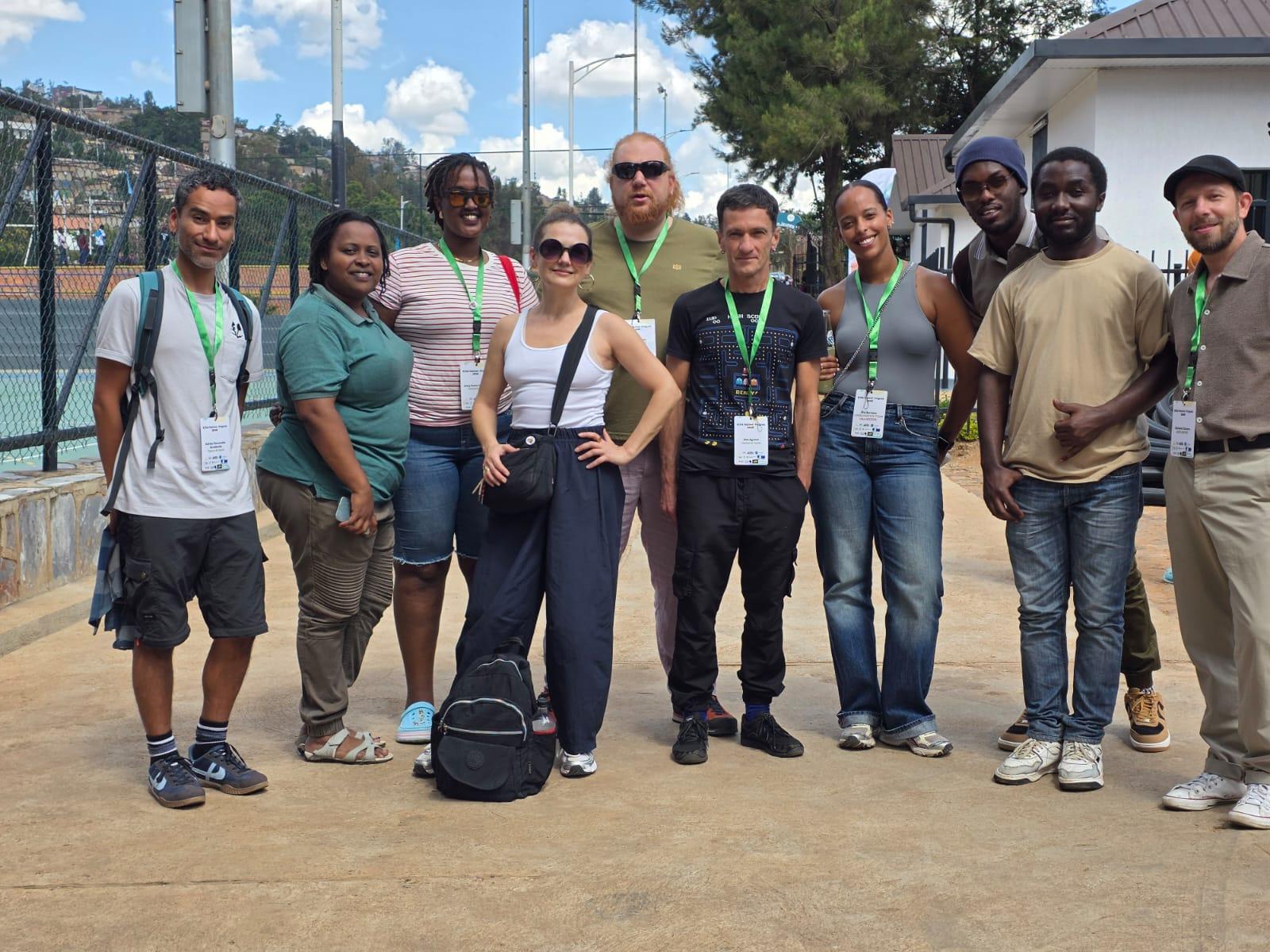
Nineteen artists from across the globe participated in KINA 2026. While the programme was international in scope, a clear thread connected the works presented: Africa was not a backdrop or a theme, it was the driving force.
This vision has long been at the heart of KINA. Through a quiet but unwavering commitment, the festival has demonstrated that global perspectives need not emerge from the margins. They can be built from home, with open doors and confident voices. Conversations with Carole Karemera, Director of Ishyo Arts Center and founder of the festival, make this philosophy unmistakably clear.
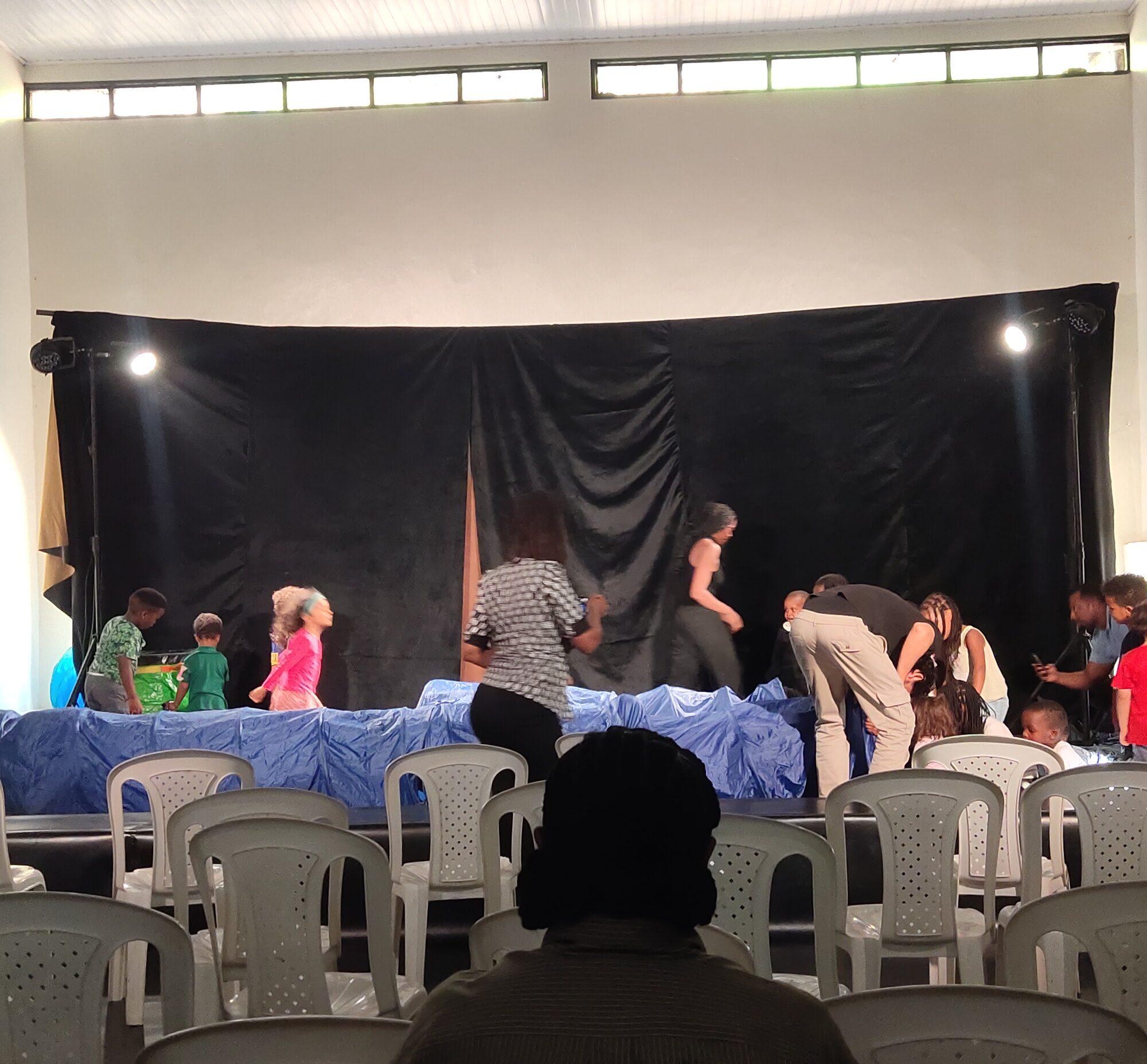
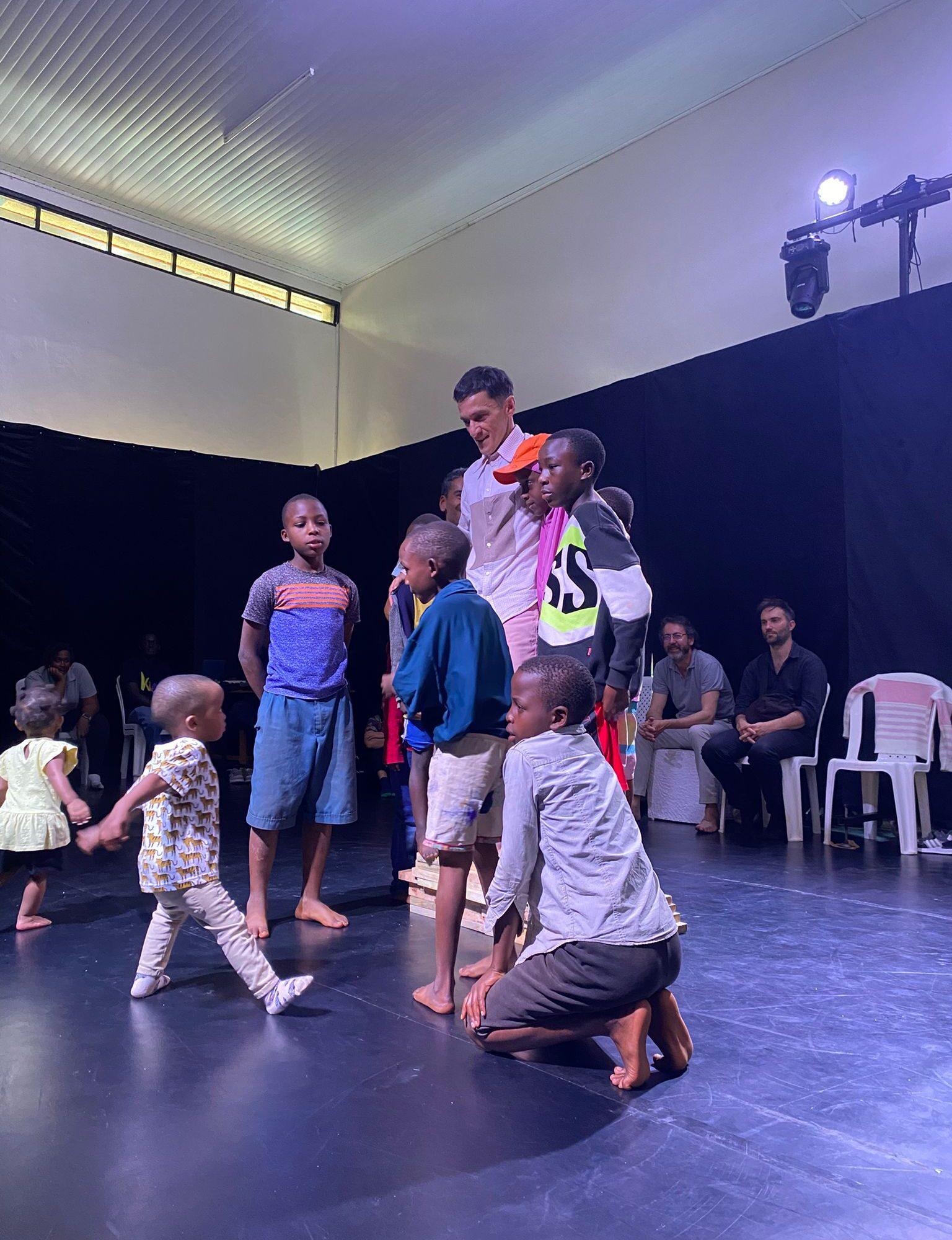
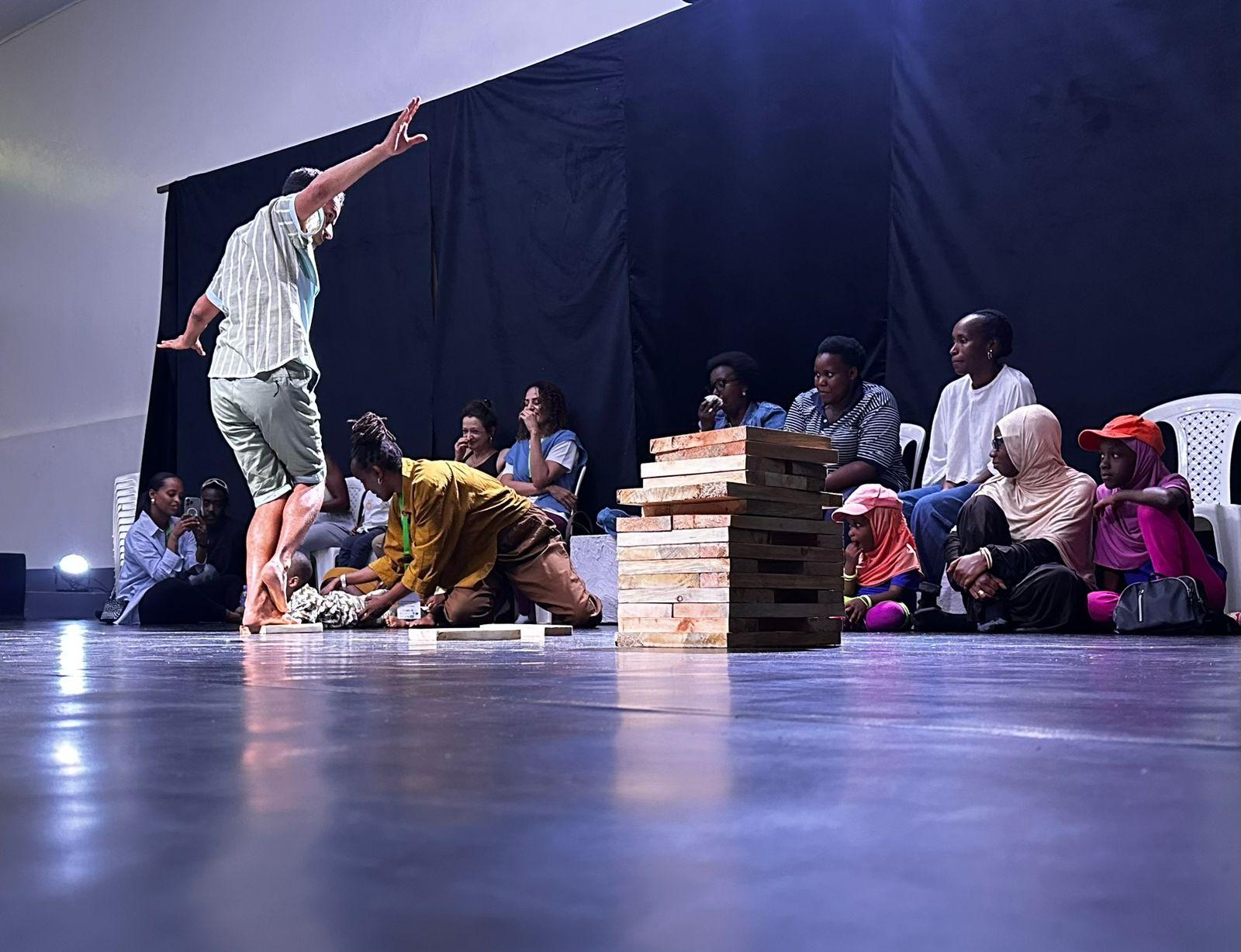
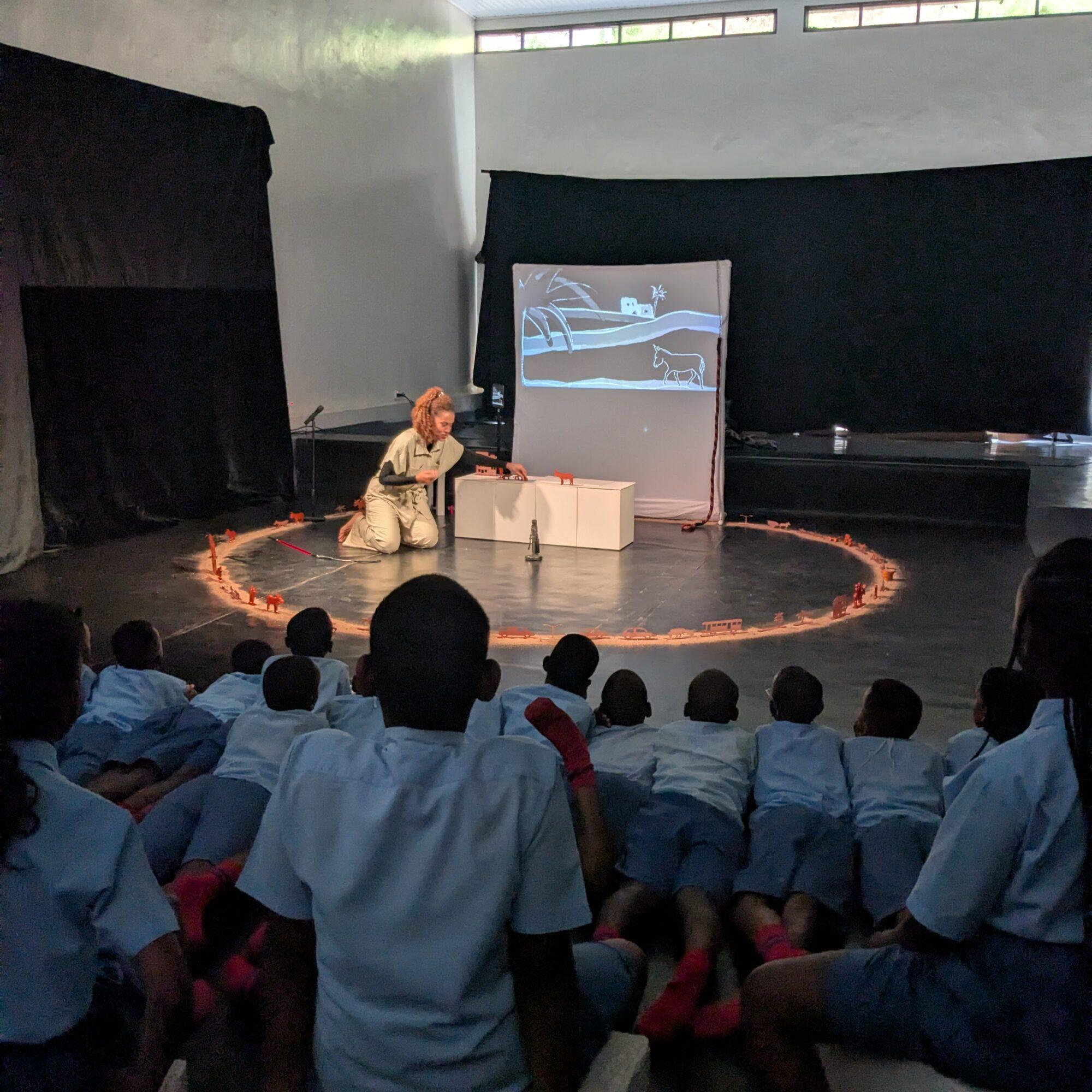
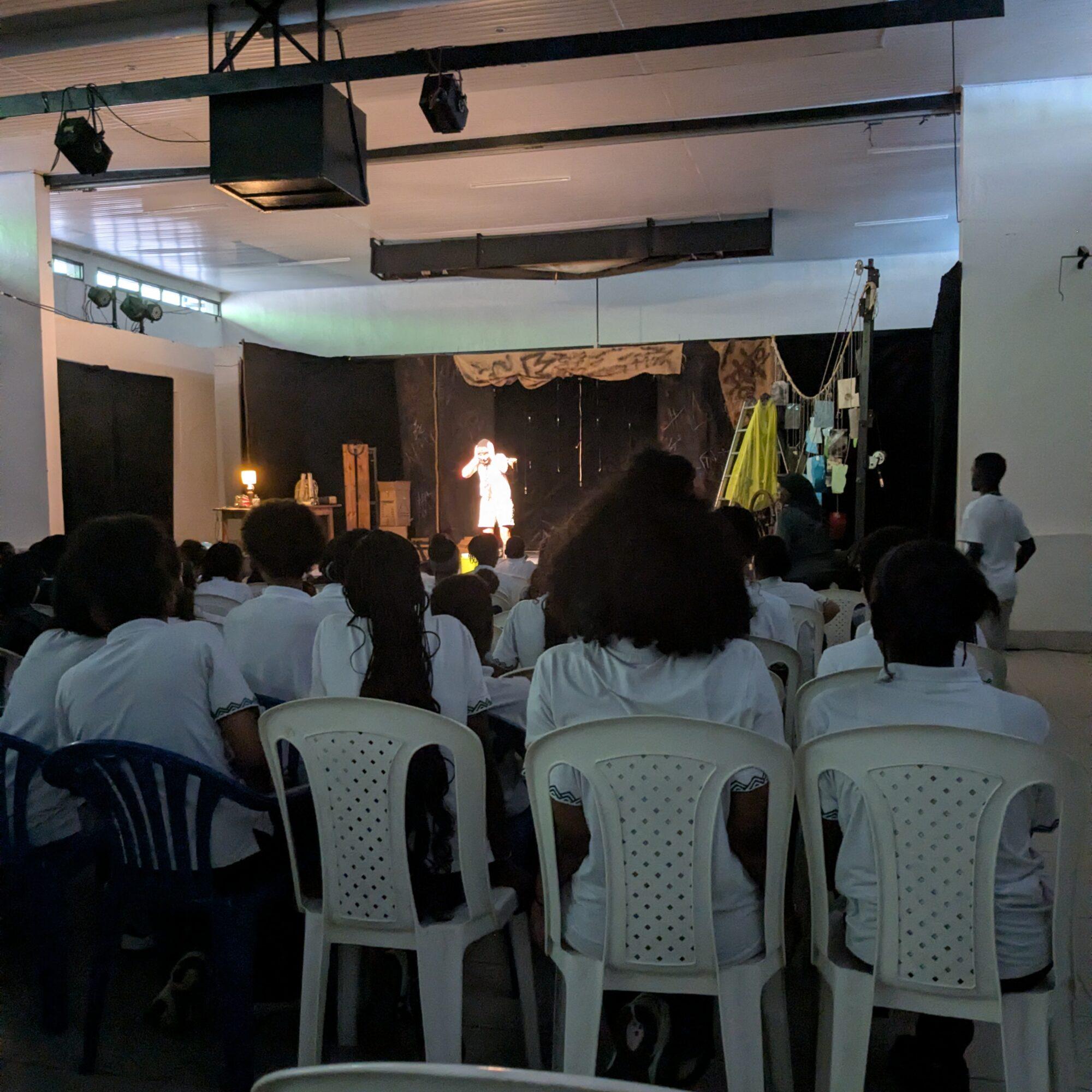
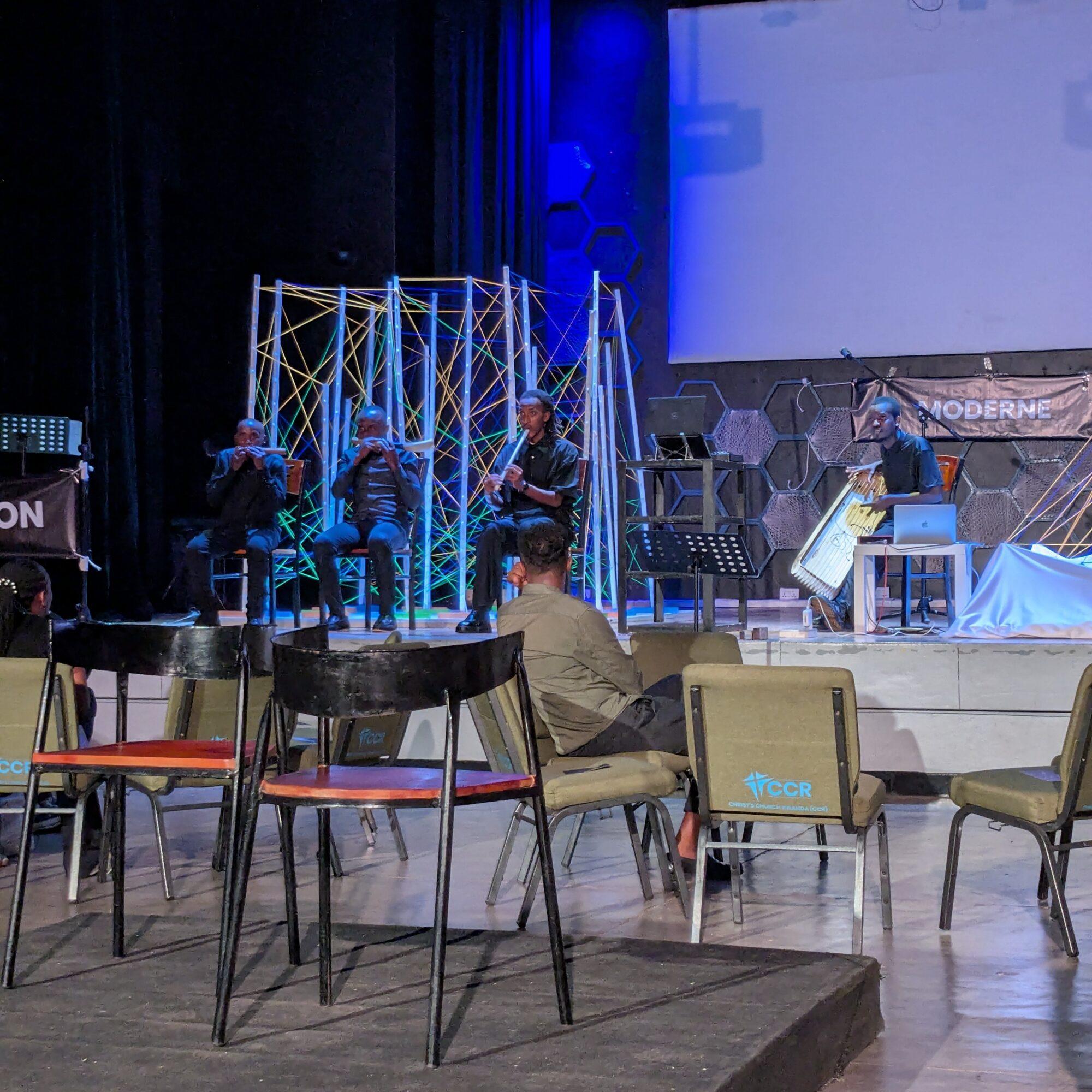
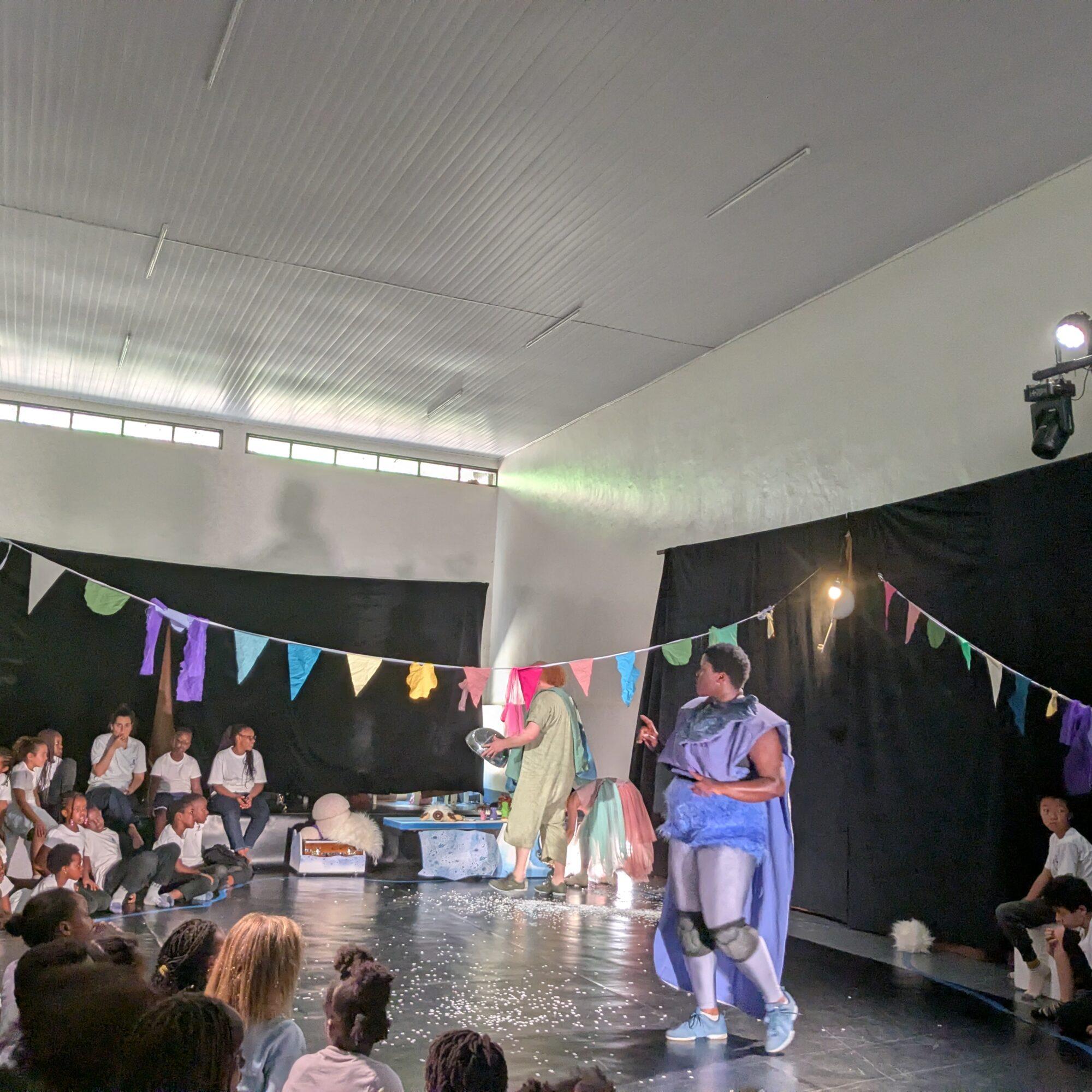
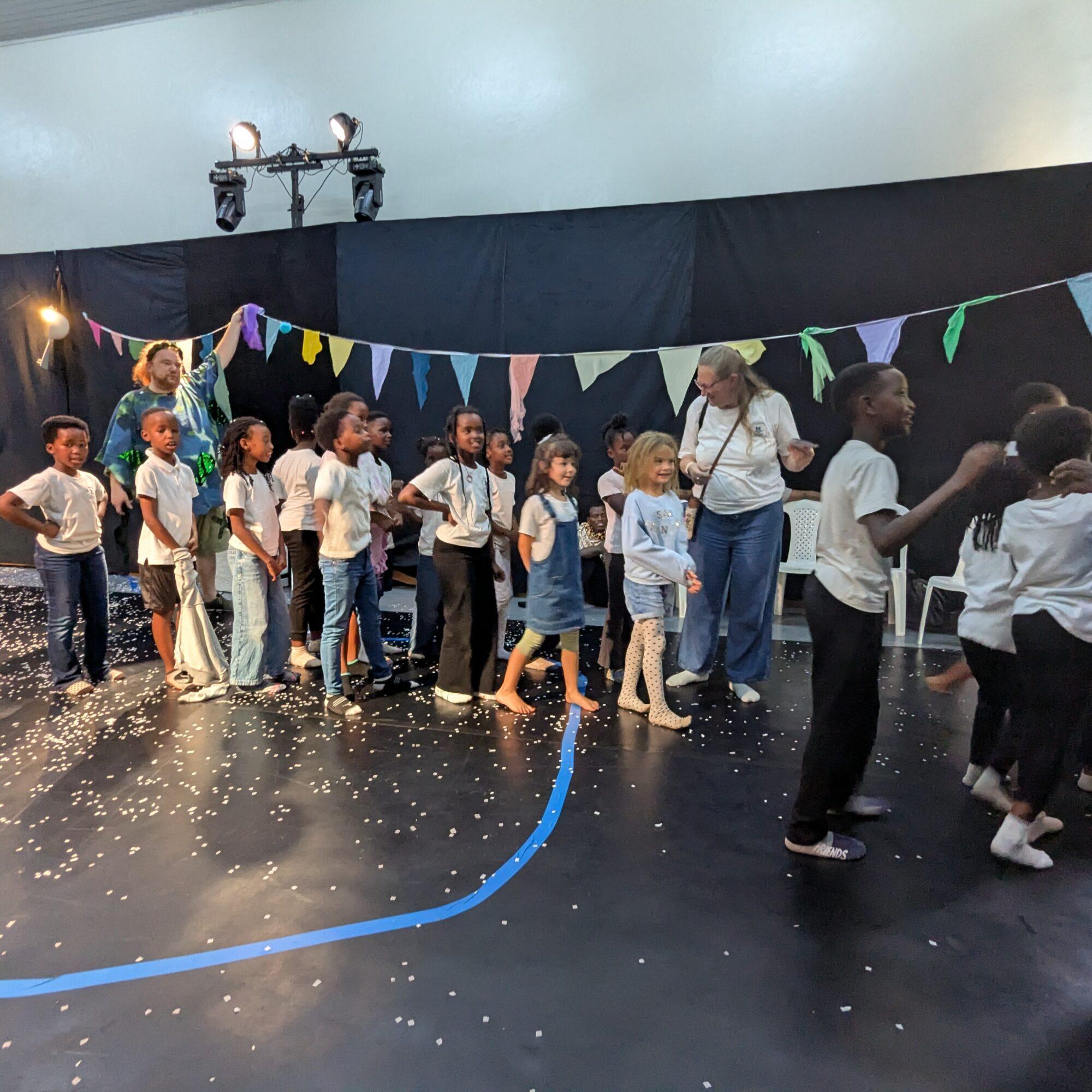
This year’s programme marked a significant step forward. Theatre, dance, circus, music, puppetry, shadow theatre, and a thought provoking conference created a rich artistic landscape. The diversity was not merely cosmetic; it offered genuine opportunities for artists and audiences alike to grow together. For children, it provided a rare space for imagination, reflection, and wonder.
Behind such a festival lies a reality that audiences rarely see: the sacrifices, pressure, logistical challenges, and countless hours of preparation required to bring every performance to life. Venues are confirmed at the last minute, schedules constantly evolve, and unforeseen obstacles emerge when least expected. Yet the KINA team once again delivered an event of remarkable quality and coherence.
A week of powerful artistic encounters
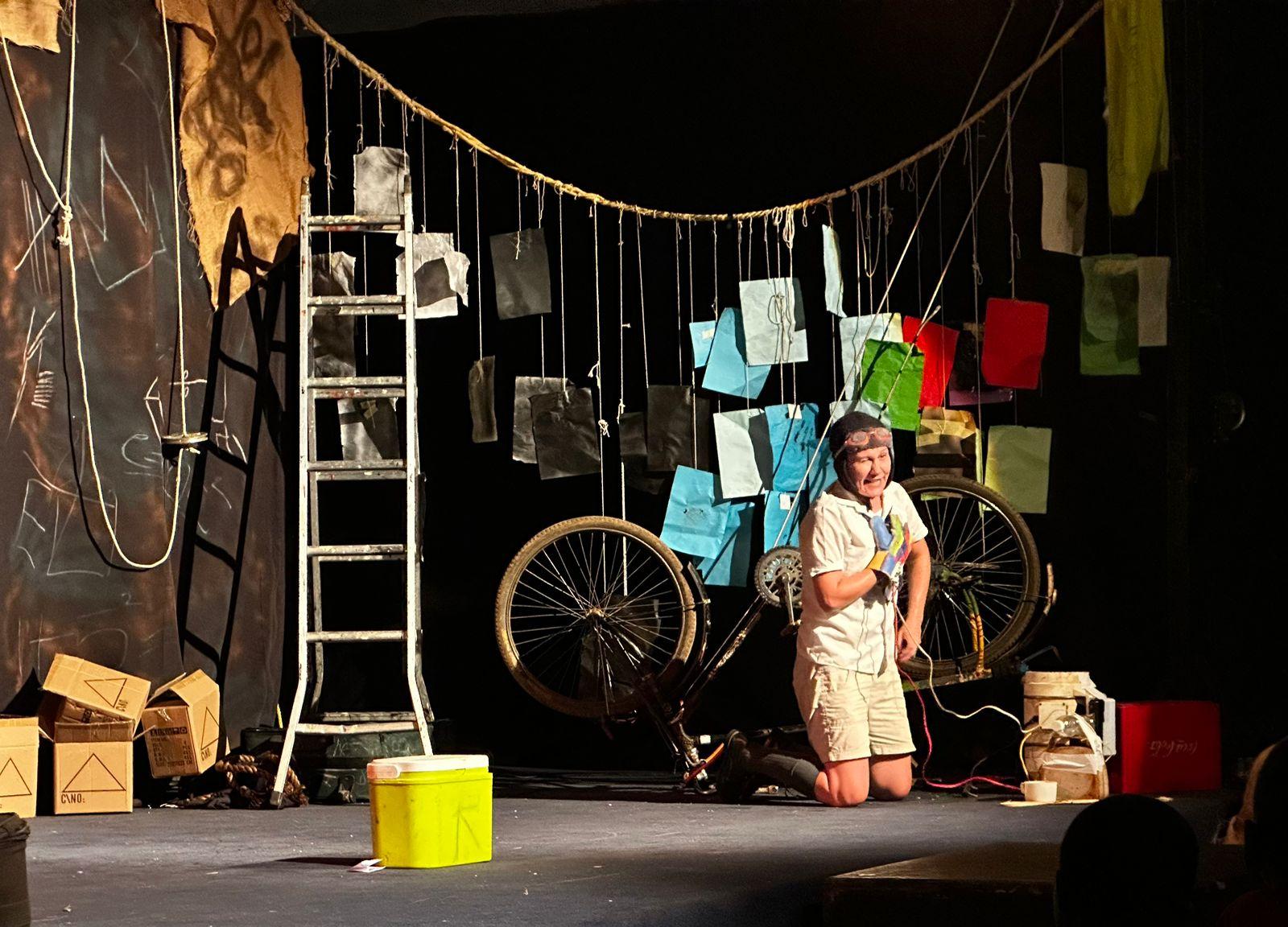
From the courageous little mouse of Kabeba, searching for her lost laughter, to the poetic donkeys of Zaki, which invite audiences to reconsider humanity’s relationship with animals in the streets of Cairo, KINA 2026 offered an extraordinary range of artistic experiences.
Hors Champs travelled across centuries to give voice to humans, birds, and insects alike, while 7 Manières d’Habiter le Monde wove together voices from Rwanda, France, and beyond in a moving civic polyphony.
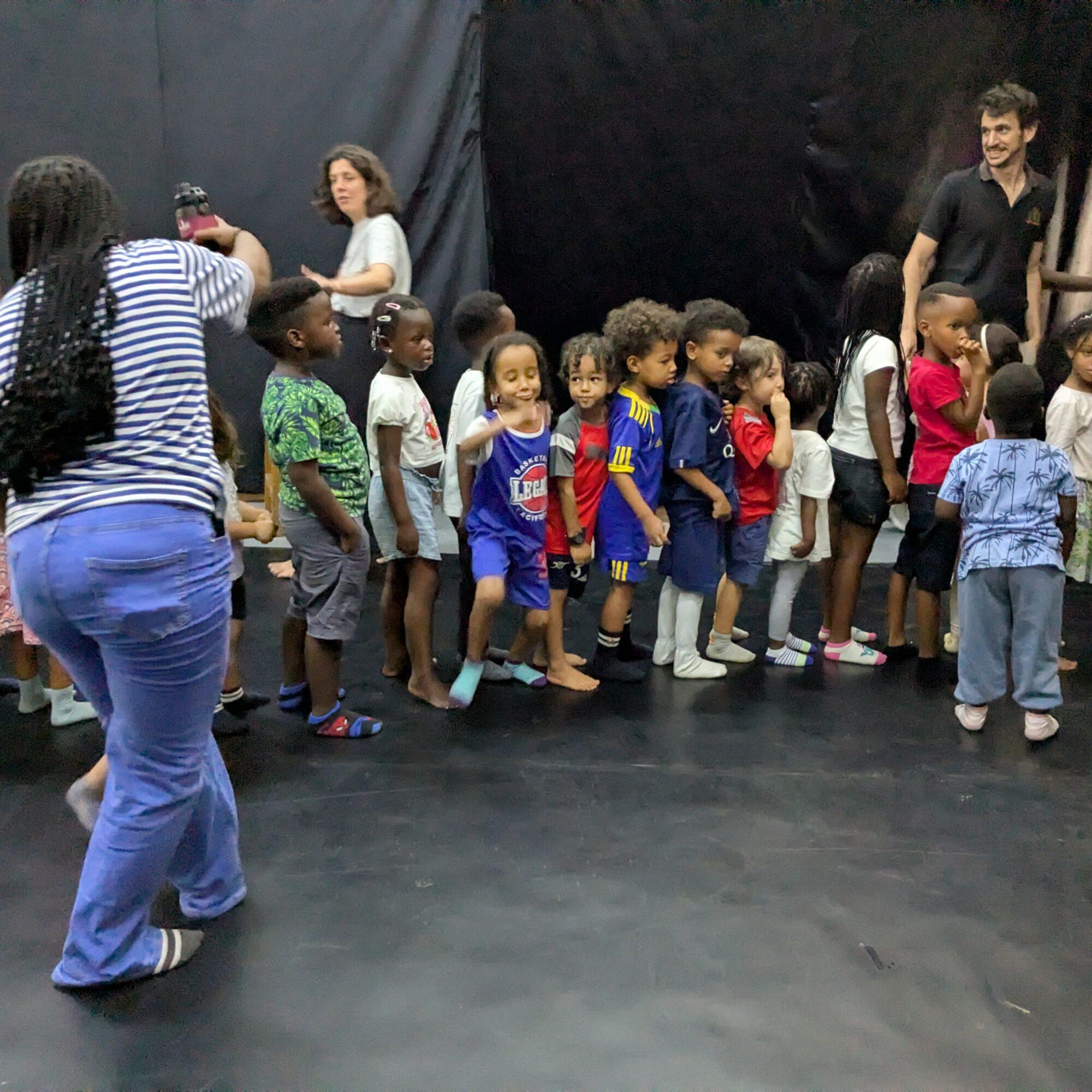
For younger audiences, Pulsar and Flip-Flop transformed performance spaces into worlds of sensory exploration and playful discovery. King of Broken Things reminded us that repairing objects can also teach us how to repair ourselves, while Nos Assemblées humorously challenged audiences to rethink democracy around a shared pizza.
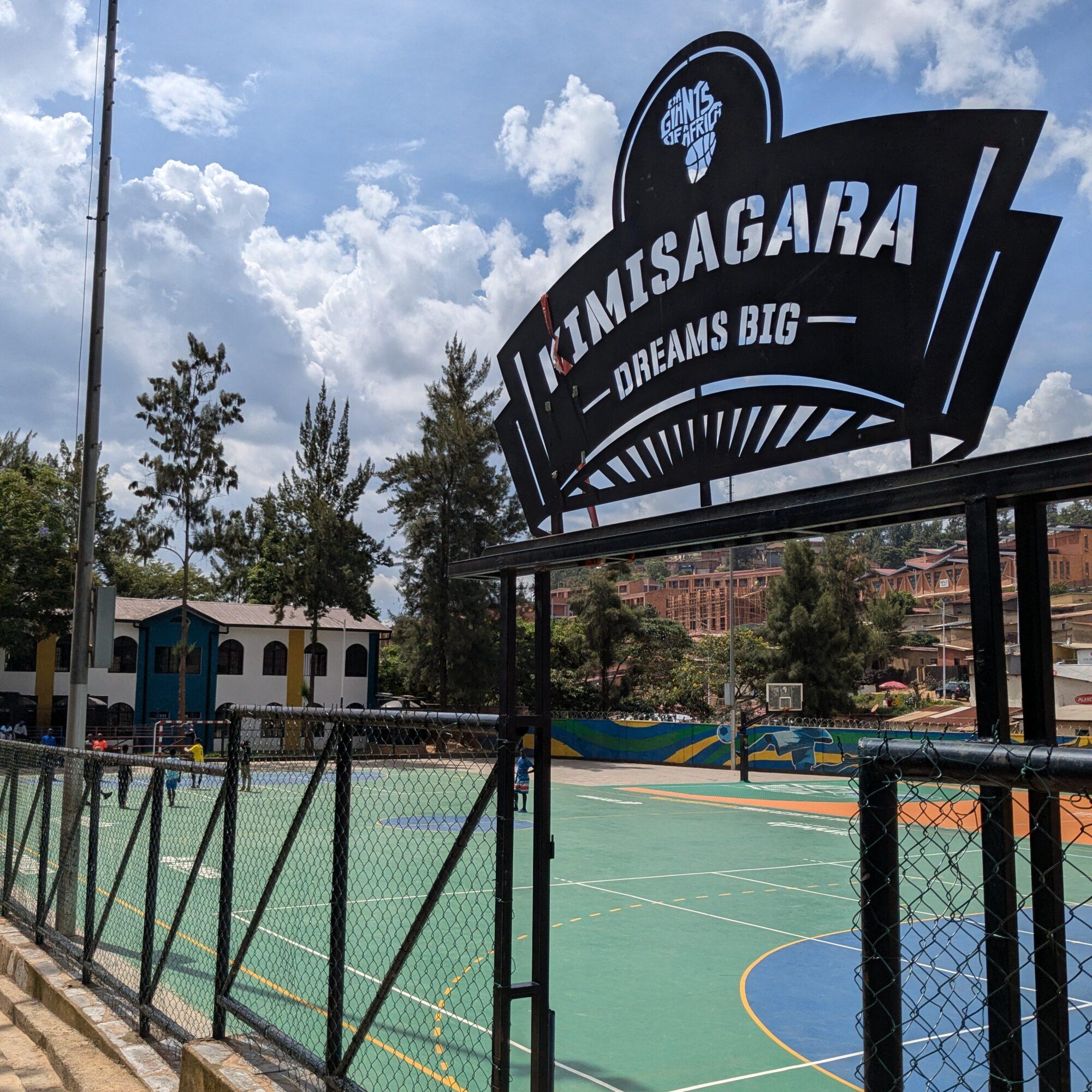
Que Teun ? blurred the boundaries between music, movement, and play, demonstrating that every rule begins as an act of imagination. To close the festival, the Rwanda Acrobats lit up Kimisagara Sports Hall with a circus performance marked by excellence, joy, and infectious energy.
Seven days. Ten productions. One overwhelming feeling: for a brief moment, the world seemed more connected, more humane, and more hopeful.
When art speaks to democracy
Among the highlights of the festival was the forum Interdependencies: Arts & Democracies, held on 9 May at the Centre Culturel Francophone du Rwanda in Kimihurura. Artists, diplomats, thinkers, activists, and engaged citizens gathered for a day of dialogue. People who often work in parallel found themselves sharing the same space, exchanging perspectives and challenging assumptions.
Discussions explored what art contributes to democracy and what democracy owes to art. Participants reflected on borders, independence, and the invisible networks of interdependence that shape contemporary societies. Ideas were tested, experiences shared, and new voices emerged. The value of the forum lay not in consensus, but in the richness of the conversations it generated.
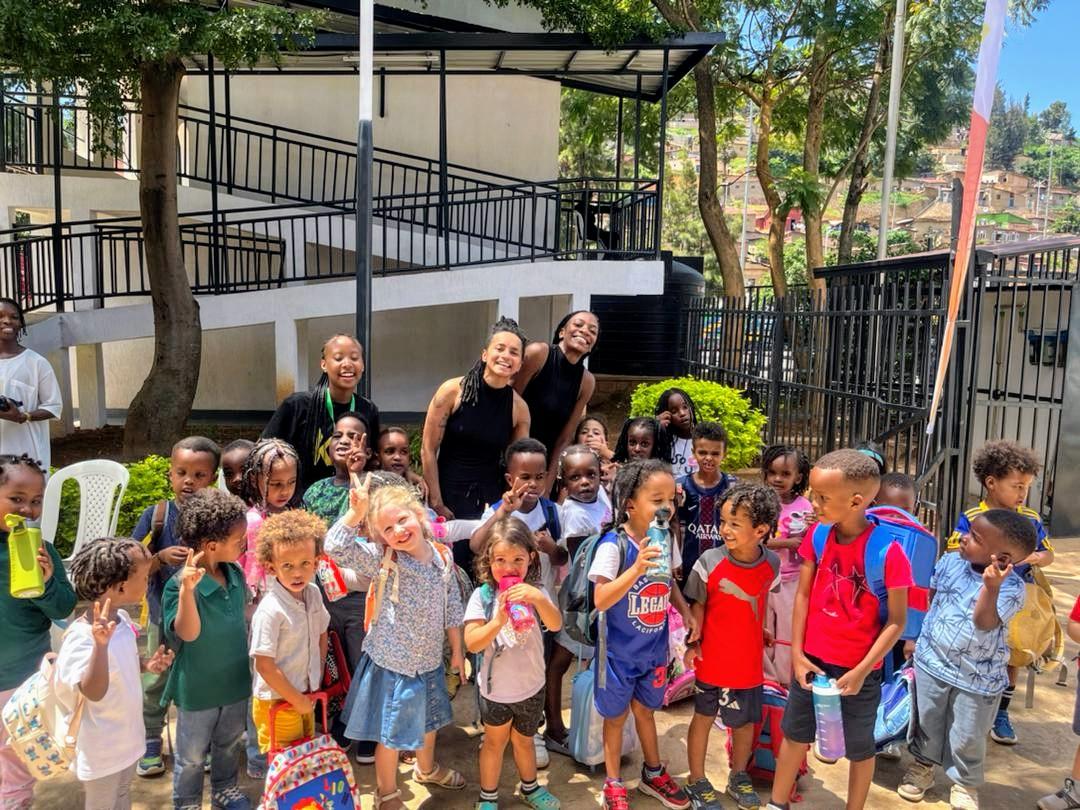
If I had to summarise KINA 2026 in a single image, it would be that of a child leaving a theatre with something new in their eyes. Not fatigue, not simple amusement, but something more difficult to define: a sense of fulfilment, curiosity, and possibility. The festival’s impact was so profound that it briefly made me forget the administrative hurdles and border formalities awaiting me on the journey back to Bujumbura.
KINA is a festival that the world knows too little about. Yet it is an event that continues to strengthen and expand theatre for young audiences throughout the Great Lakes region. After experiencing so many editions from multiple perspectives, as actor, spectator, creator, and passionate advocate for the transformative power of art, I can say this with certainty: KINA is a festival that deserves to be known. It deserves to be followed. And it deserves to be nurtured, again and again.