
By Jerry Adesewo, Co-President, ACYTA
The Intercultural Children’s Theatre Exchange Programme, recently hosted in Harare, Zimbabwe, offered a compelling example of how theatre for young audiences can serve as a living bridge between cultures. Bringing together young performers from Zimbabwe and Uganda, the programme celebrated collaboration, learning, and friendship through shared artistic expression.
The exchange was facilitated through a partnership between Golden Time Uganda, represented by Richard Lumu, and Precious Children’s Arts Organisation, led by Chipo Basopo. Together, they curated a programme that placed children at the centre of cultural exchange—both as learners and as creators.
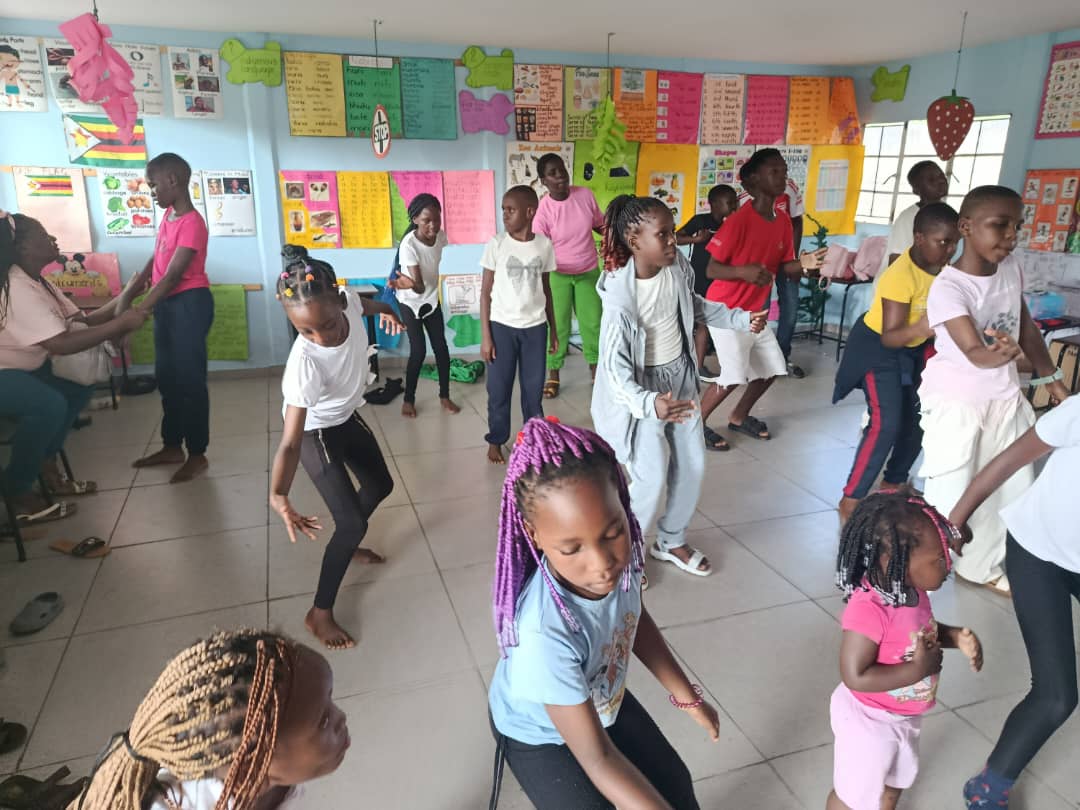
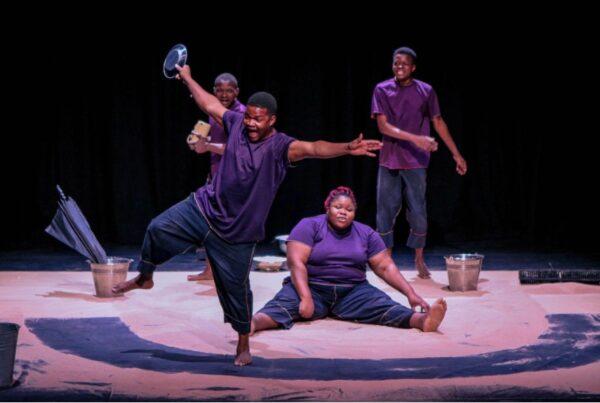
A key highlight of the exchange was the collaborative performance developed by the children. Drawing from their respective cultural heritages, the young performers jointly created a piece that showcased five distinct cultural attractions from Uganda and Zimbabwe. The performance unfolded through shared traditional games, popular storytelling styles from both countries, and concluded with a lively modern segment reflecting contemporary trends familiar to the children. This seamless blend of tradition and modernity illustrated how culture is both preserved and reimagined by young people.
The performance was further enriched by the children’s costumes, as participants proudly appeared in their most beautiful traditional attires, transforming the stage into a colourful tapestry of East and Southern African identities. The audience response reflected not only appreciation for the artistic quality, but also admiration for the spirit of unity and mutual respect embodied by the children.
The event also enjoyed strong institutional support, with the Chief Executive Officer of the National Arts Council of Zimbabwe, Napoleon Nyanhi, in attendance, alongside representatives of the Ministry of Sport, Recreation, Arts and Culture. Their presence affirmed the growing recognition of children’s theatre as a meaningful tool for cultural diplomacy and youth development, which strongly aligns with the manifesto of ASSITEJ.
Beyond performances, the Ugandan children were given the opportunity to experience Harare firsthand, exploring the city, engaging in everyday activities with their Zimbabwean peers, and gaining insight into how local children live, play, and create. These informal moments proved just as impactful as the staged activities, deepening friendships and cultural understanding.
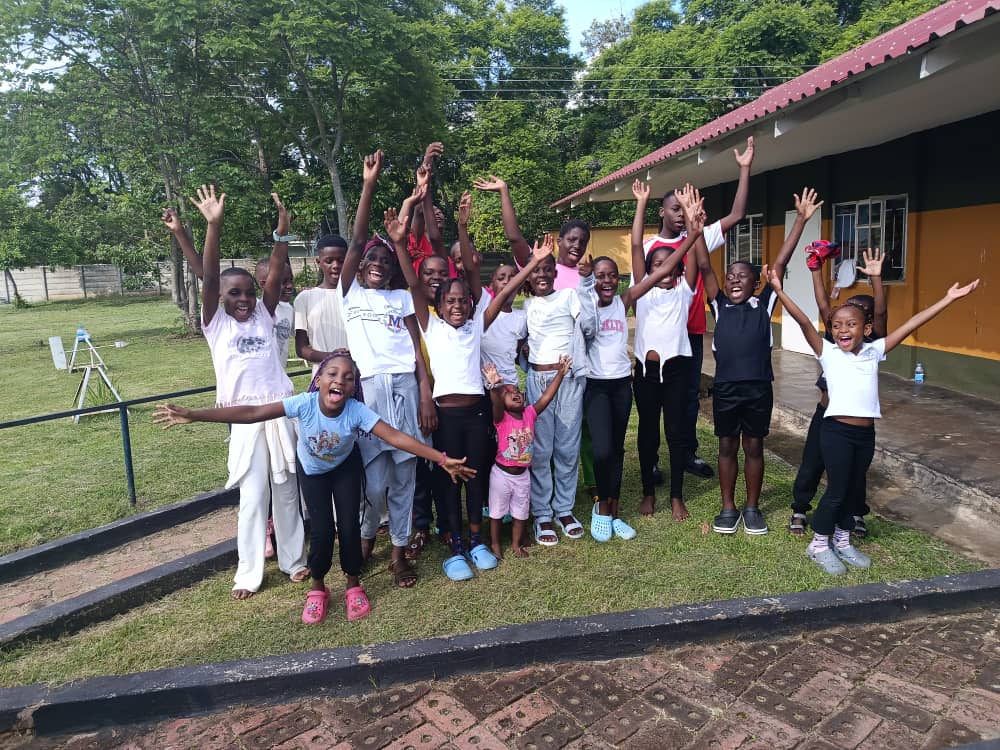
The children expressed immense joy throughout the programme and have already voiced strong enthusiasm for future exchanges. With plans underway to reconvene in Uganda in September, alongside participation from Zambia, the exchange marks not an end but the beginning of a growing regional collaboration.
For the ASSITEJ International community, this initiative reaffirms the power of theatre to connect cultures, nurture empathy, and inspire the next generation of African storytellers.